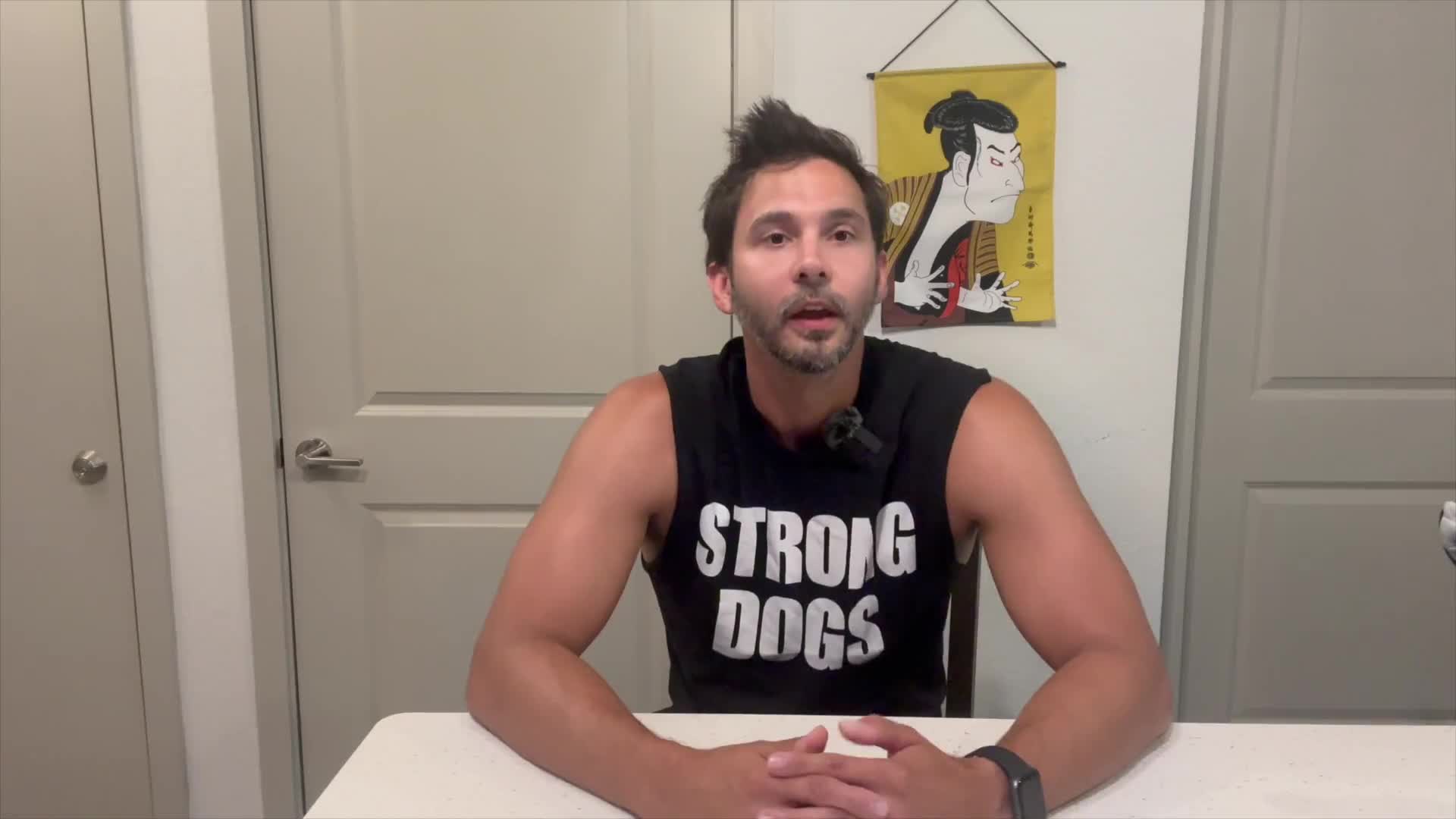
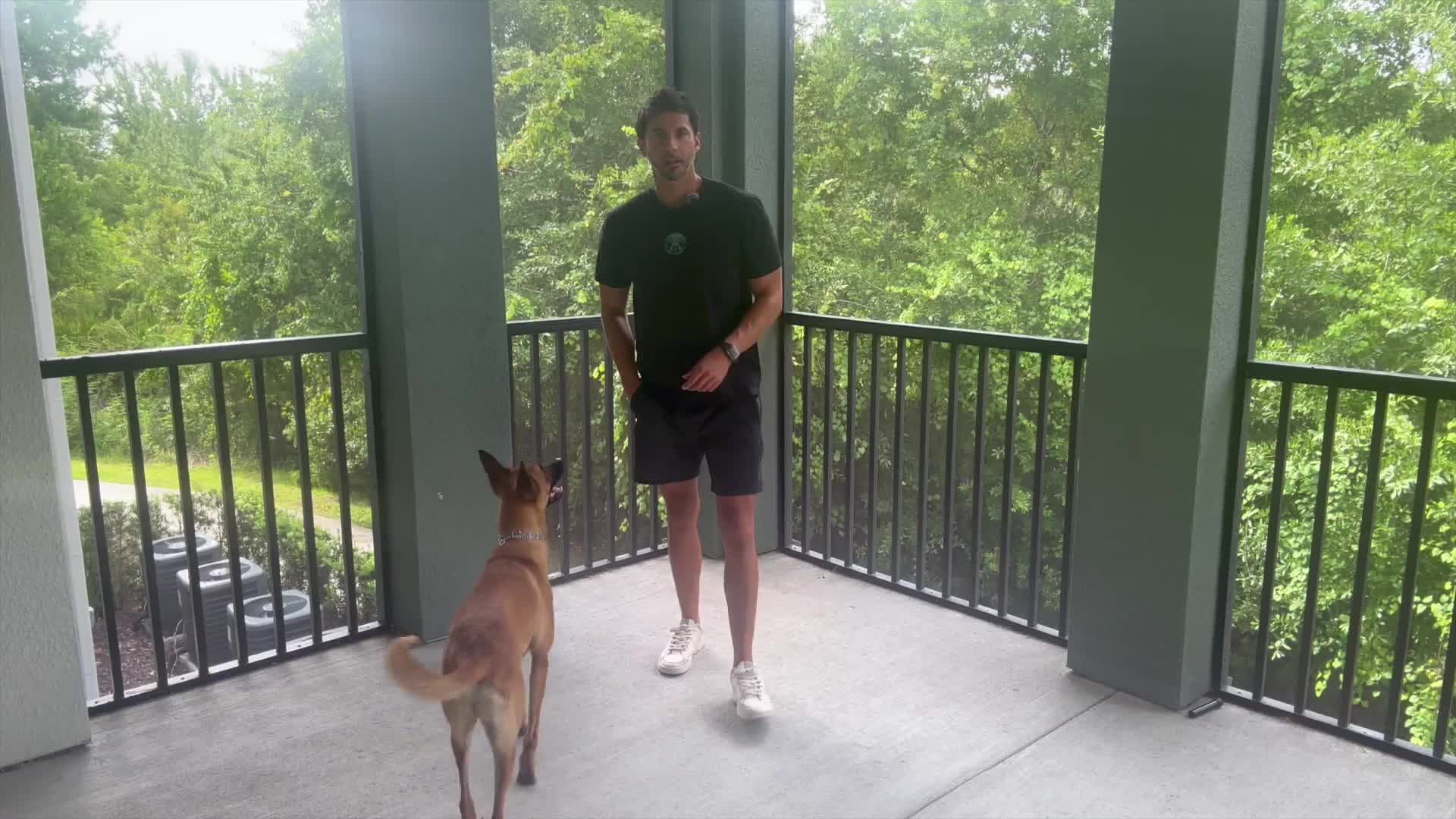
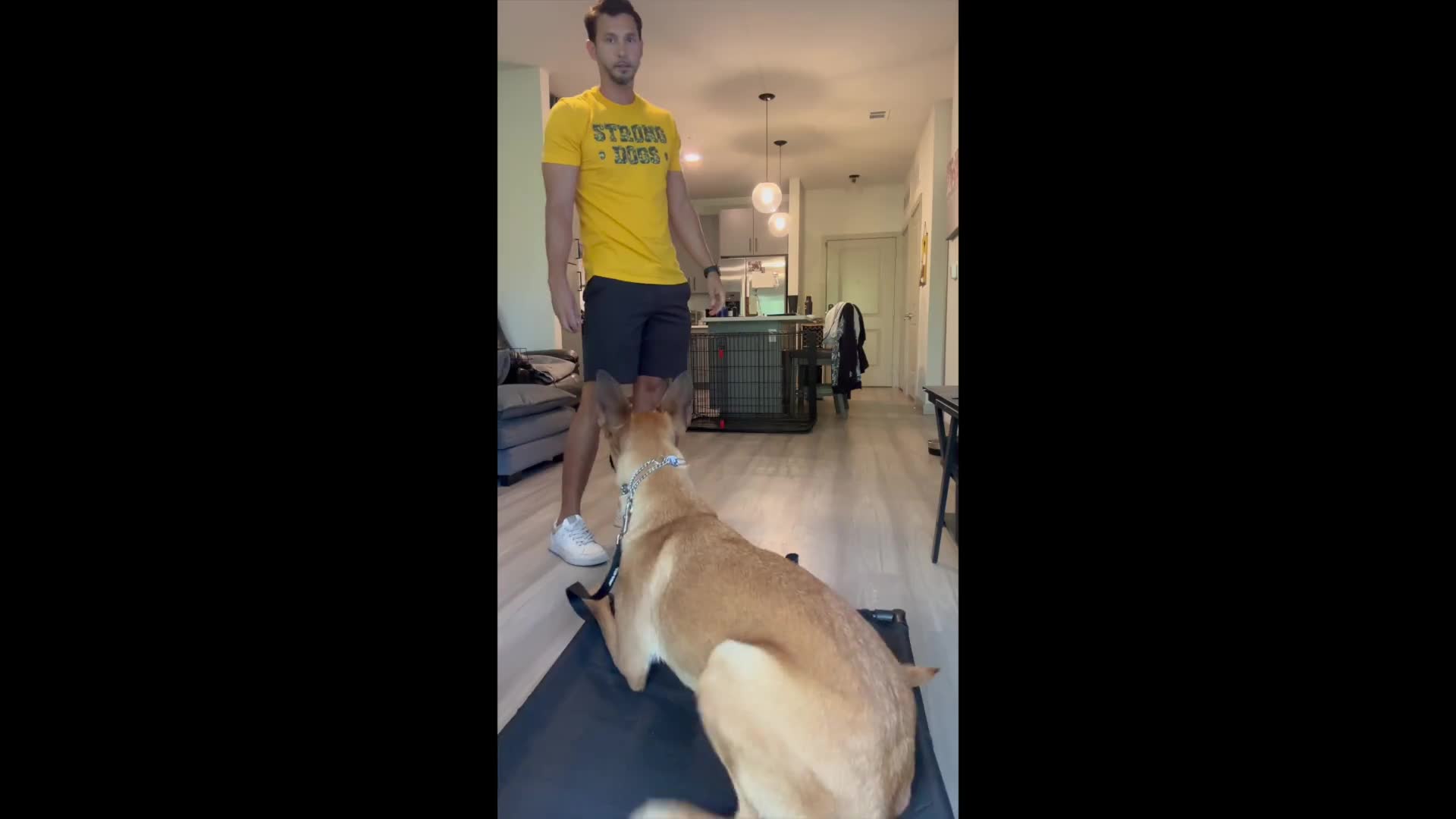
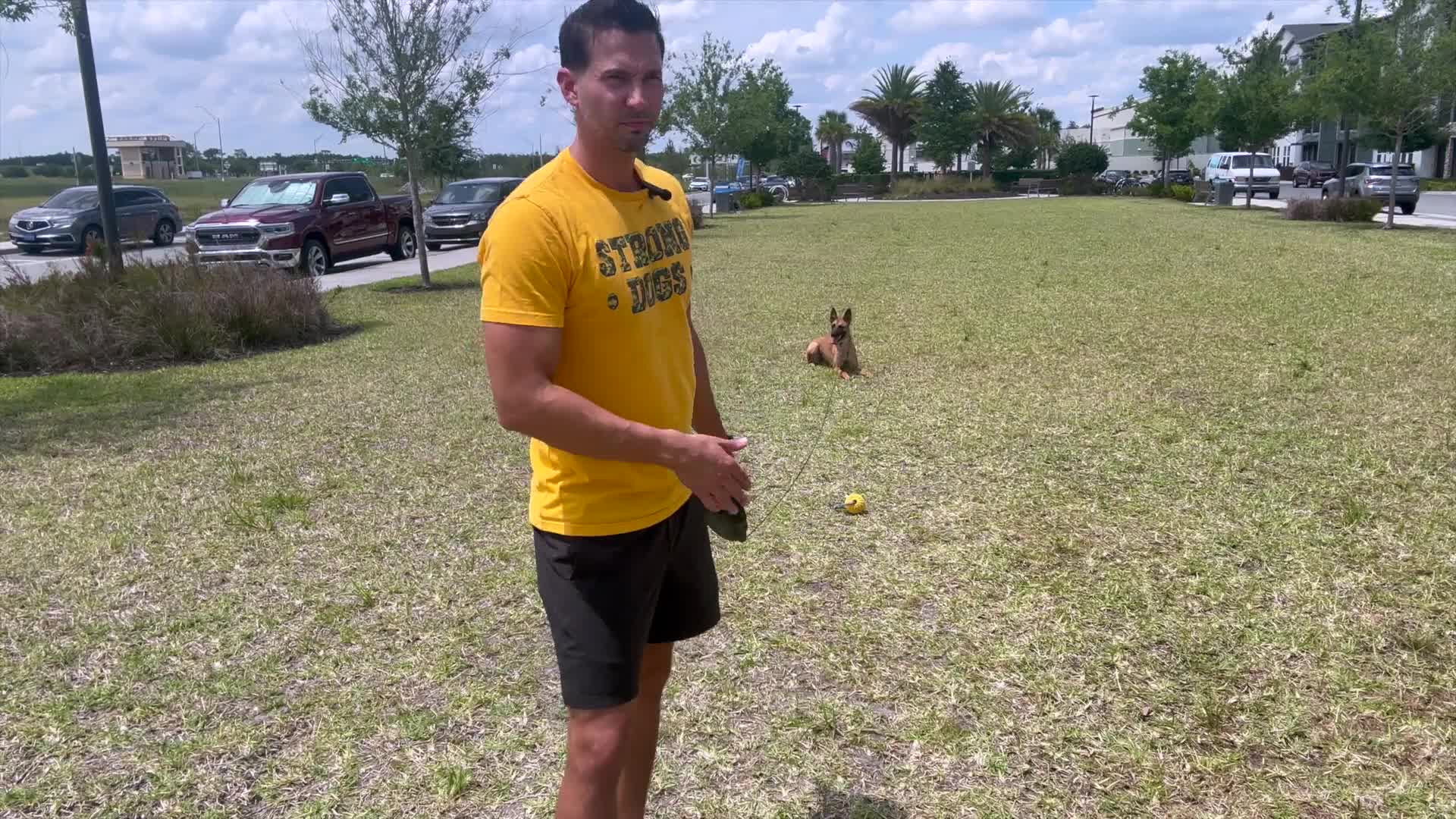
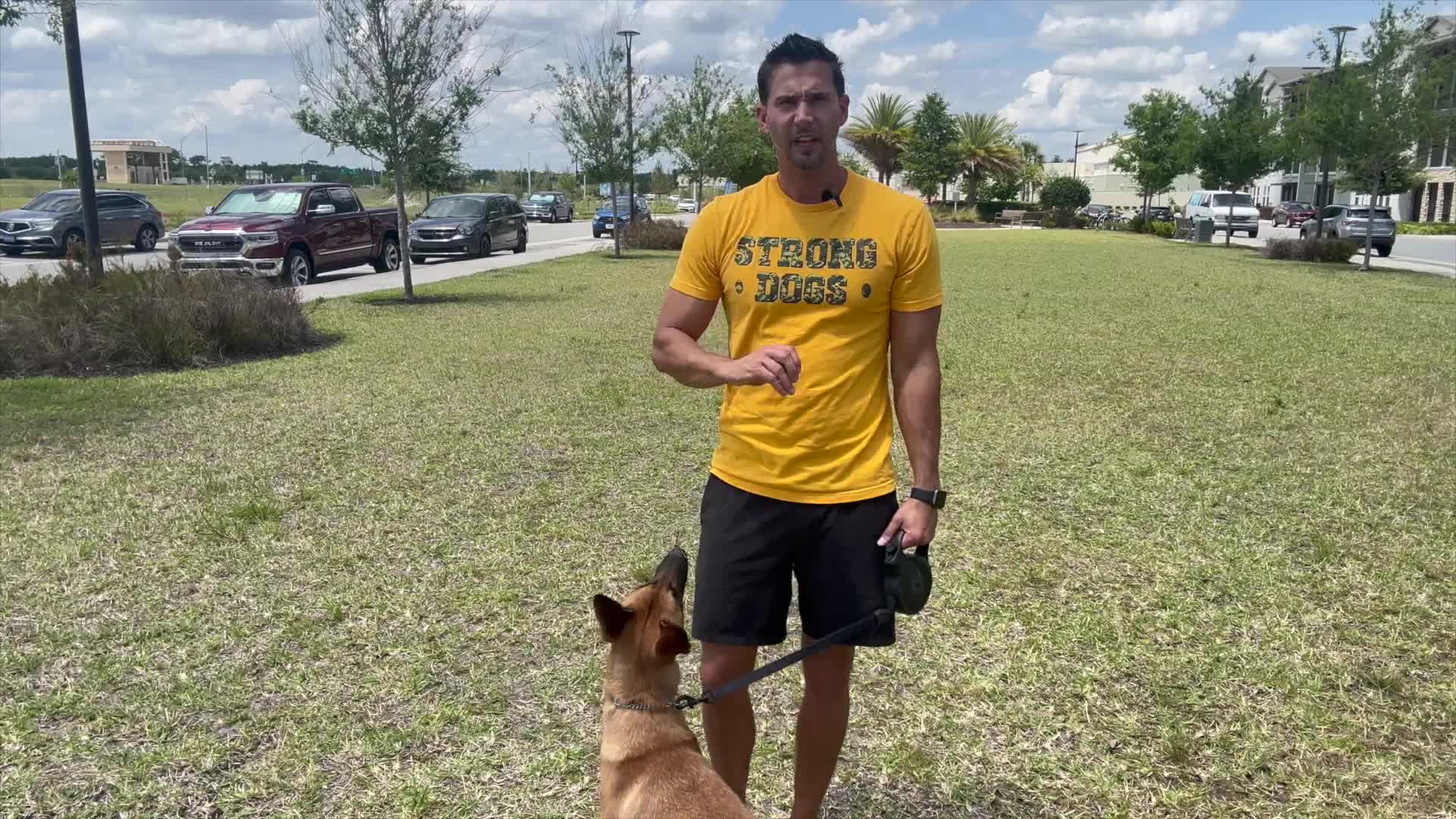
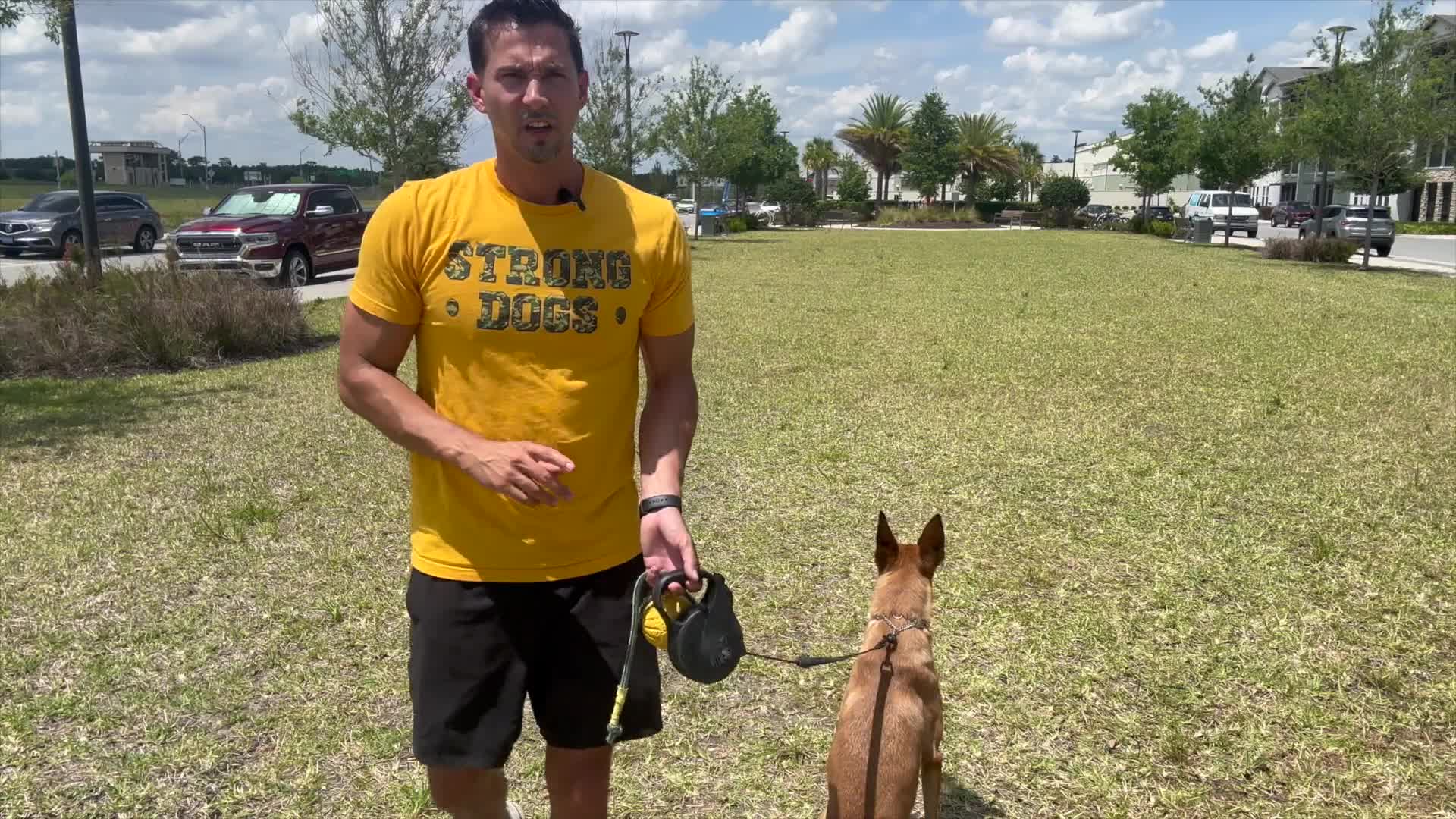
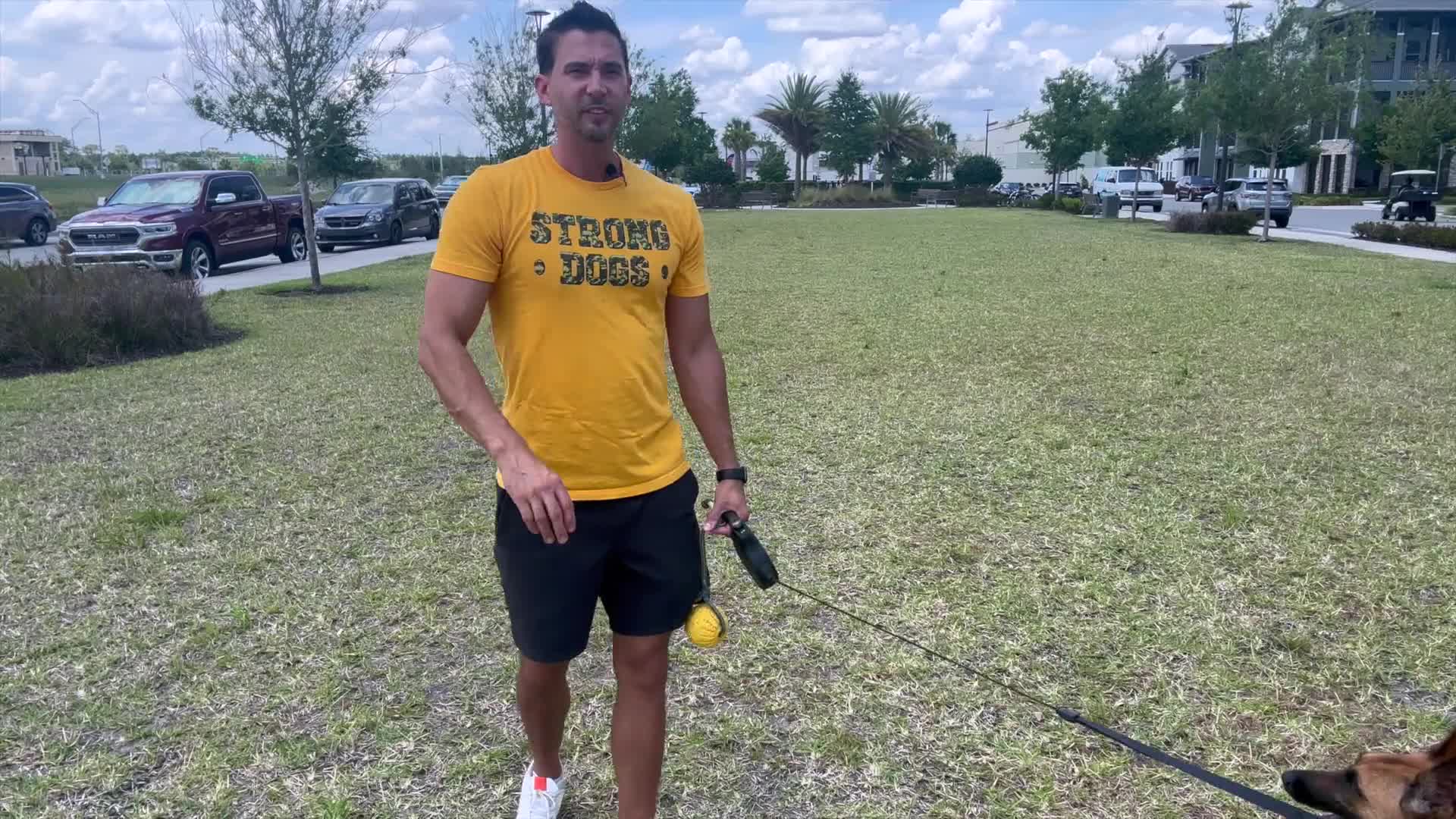
Video Library

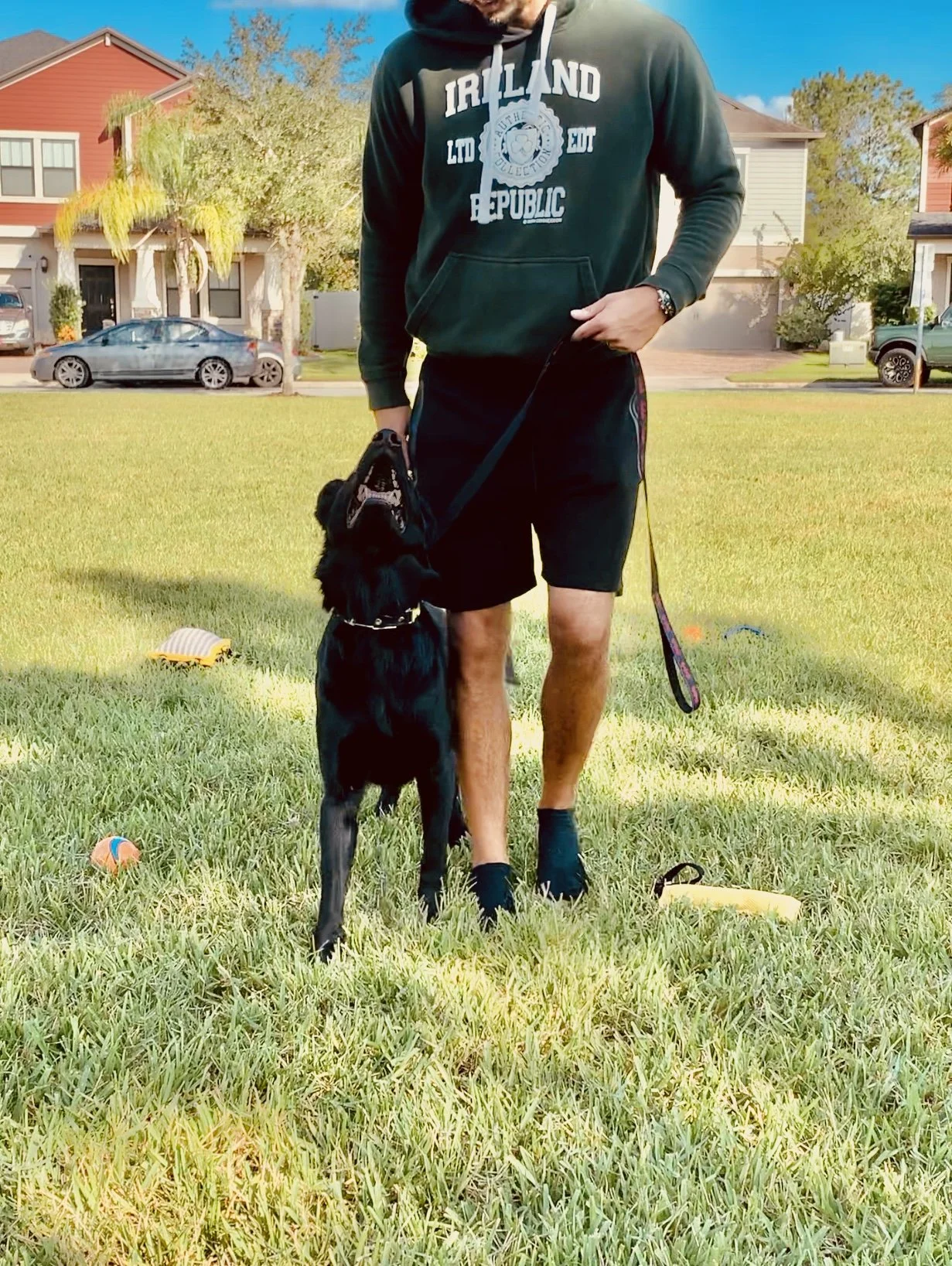
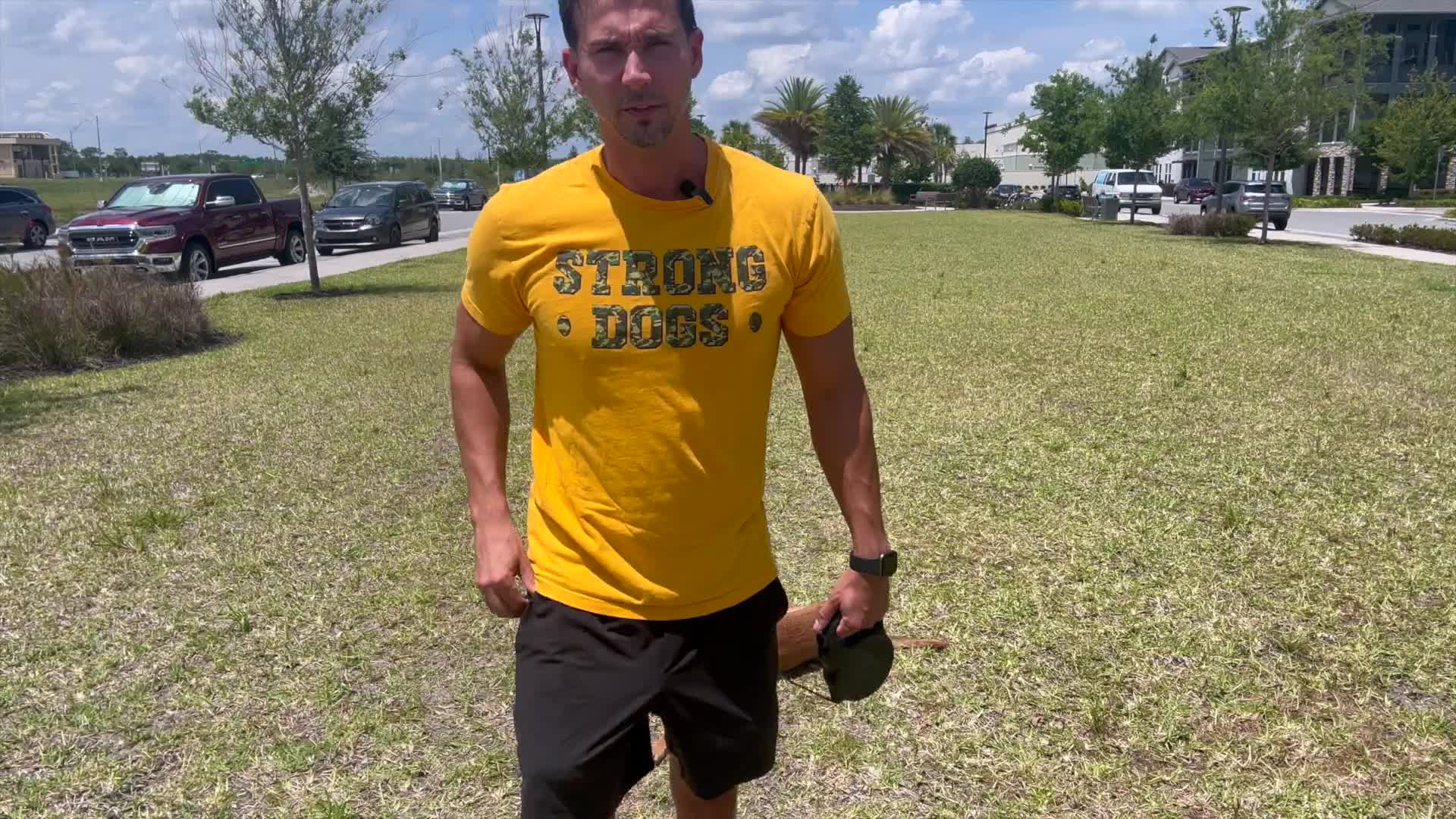
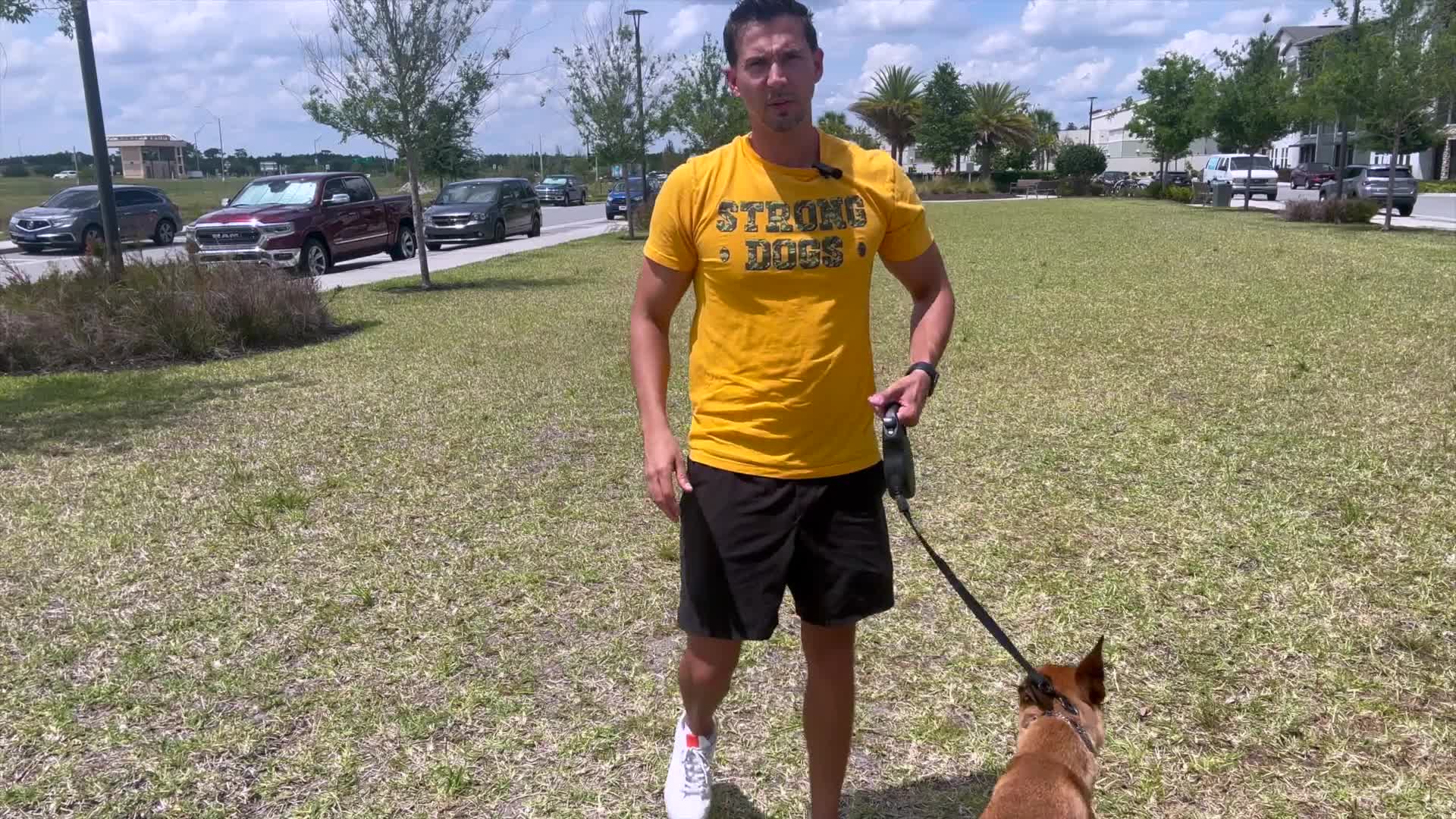
A man standing on grass holding a leash with a black dog in a suburban yard with houses and trees in the background.

What you’ll learn:

A green check mark inside a circle.

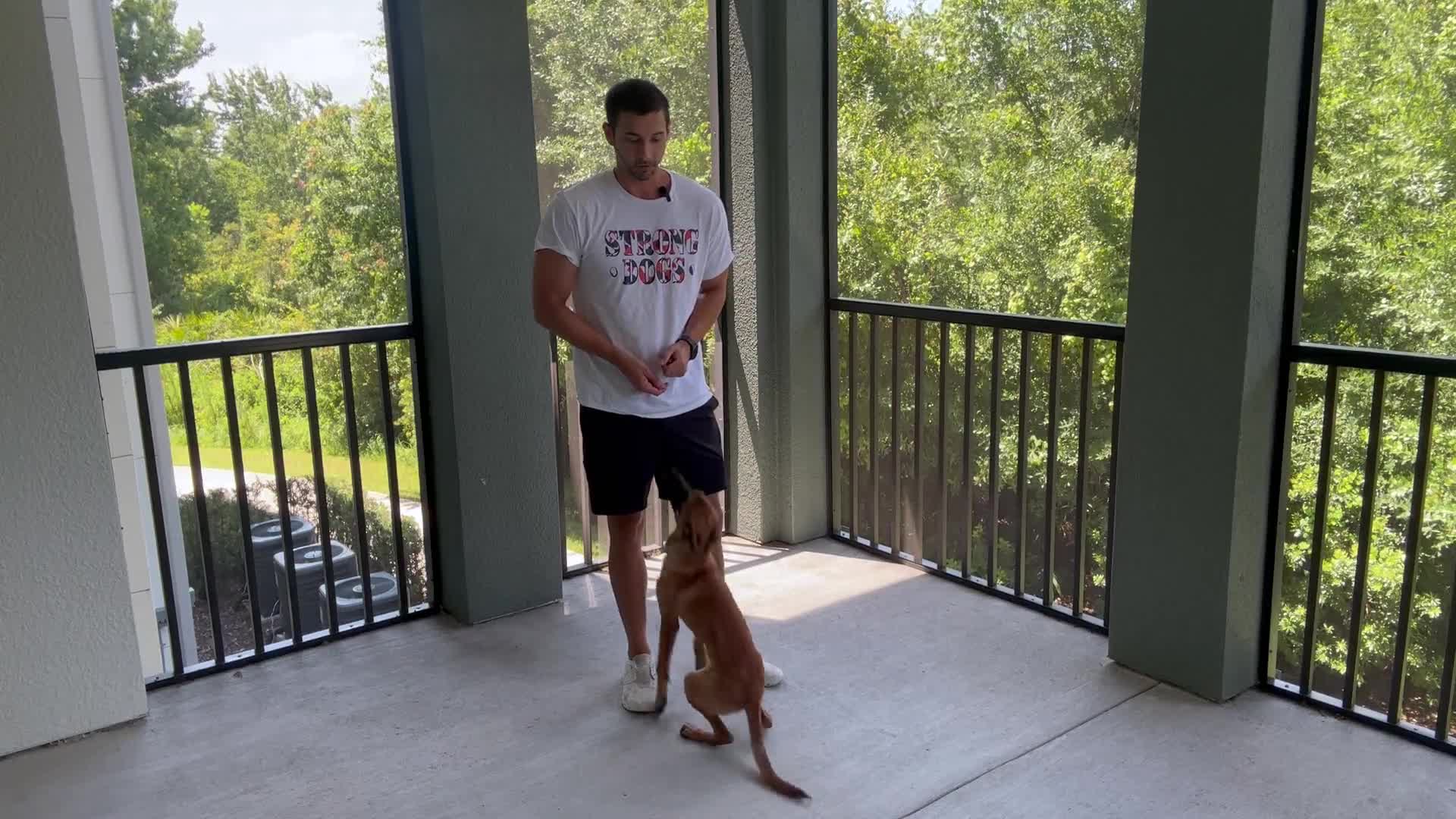
Got issues with leash pulling? I got you, learn step by step how to help your dog learn to walk with you not against you.

Green checkmark icon

You got a puppy and don’t know where to start? I’ll break it down for you.

Green check mark inside a circle.

Don’t want a boring dog? Turn peoples heads by teaching your dog party tricks that can be done anywhere.

Green check mark inside a circle

Does your dog not listen to you when you call them? Let’s build a sold RECALL together so they want to race back to you.
Skip to Videos
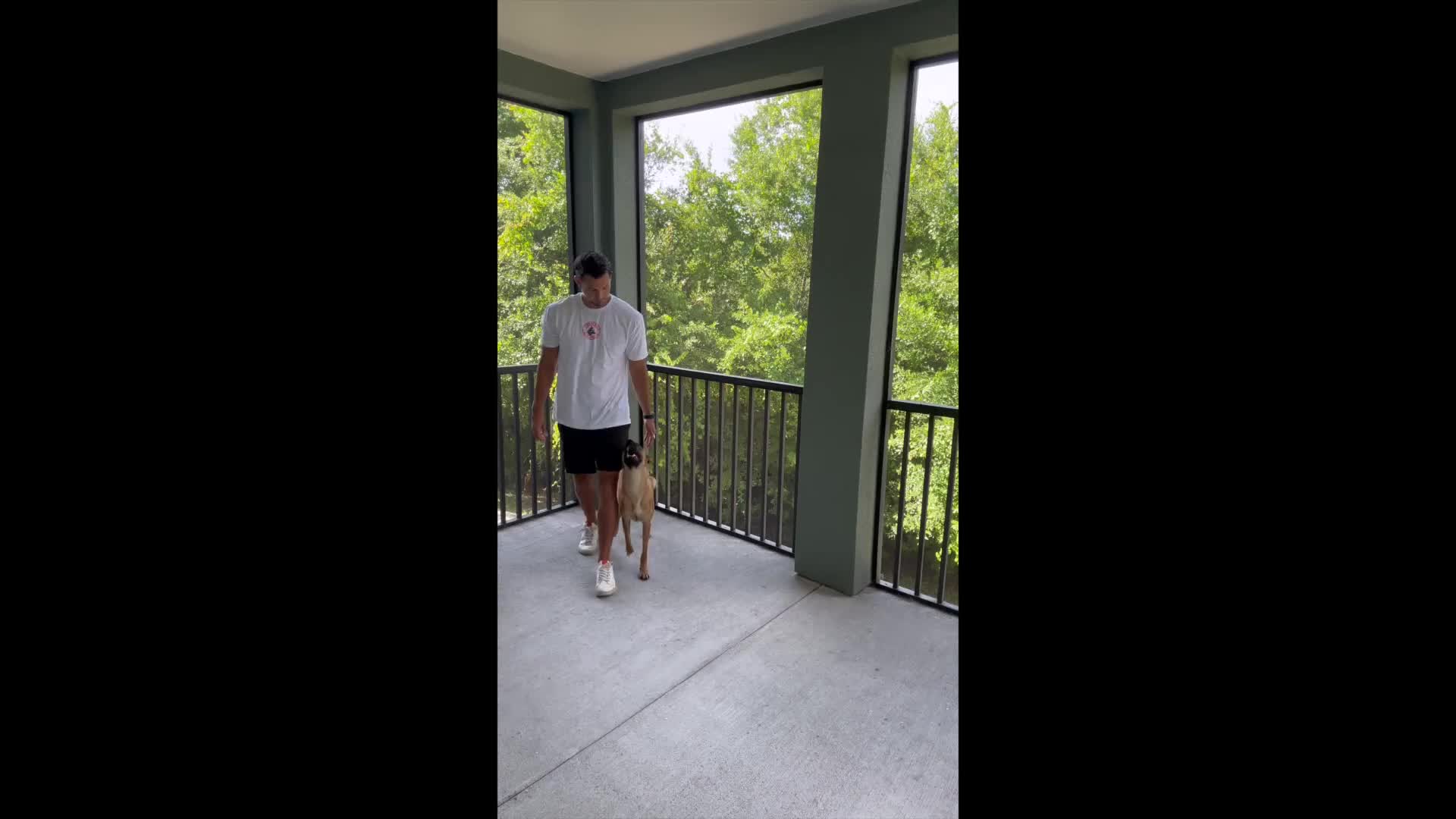
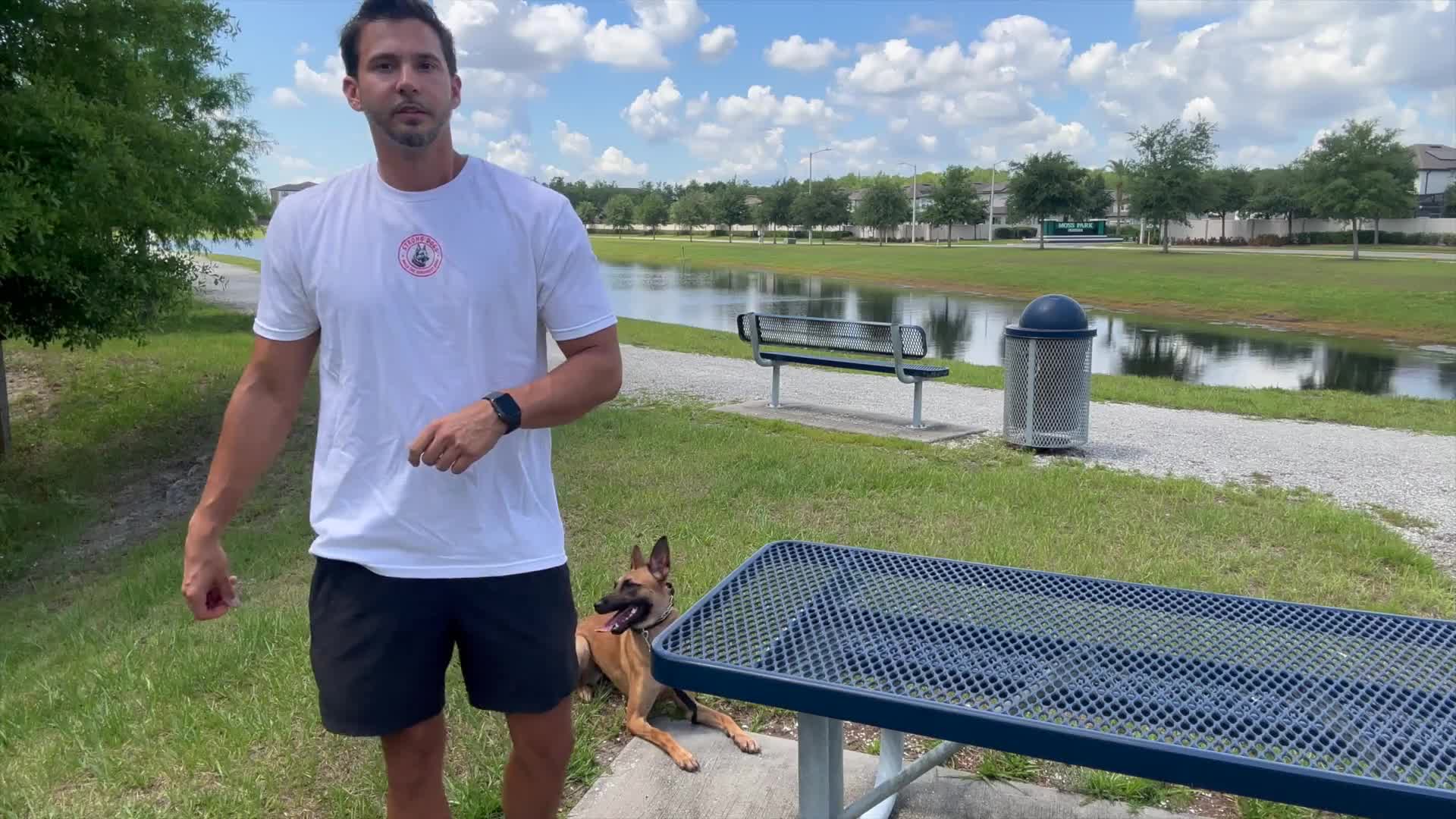
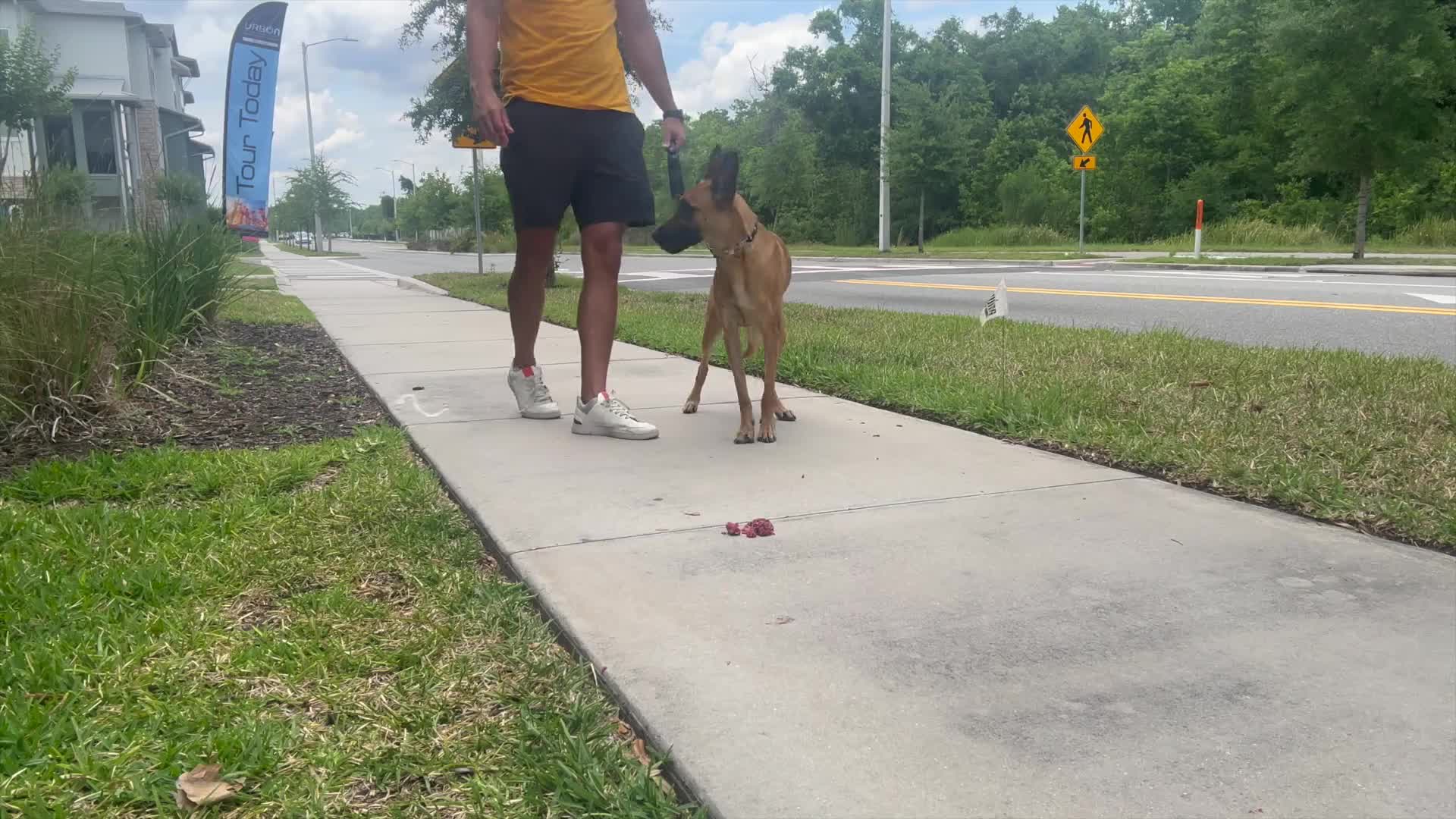
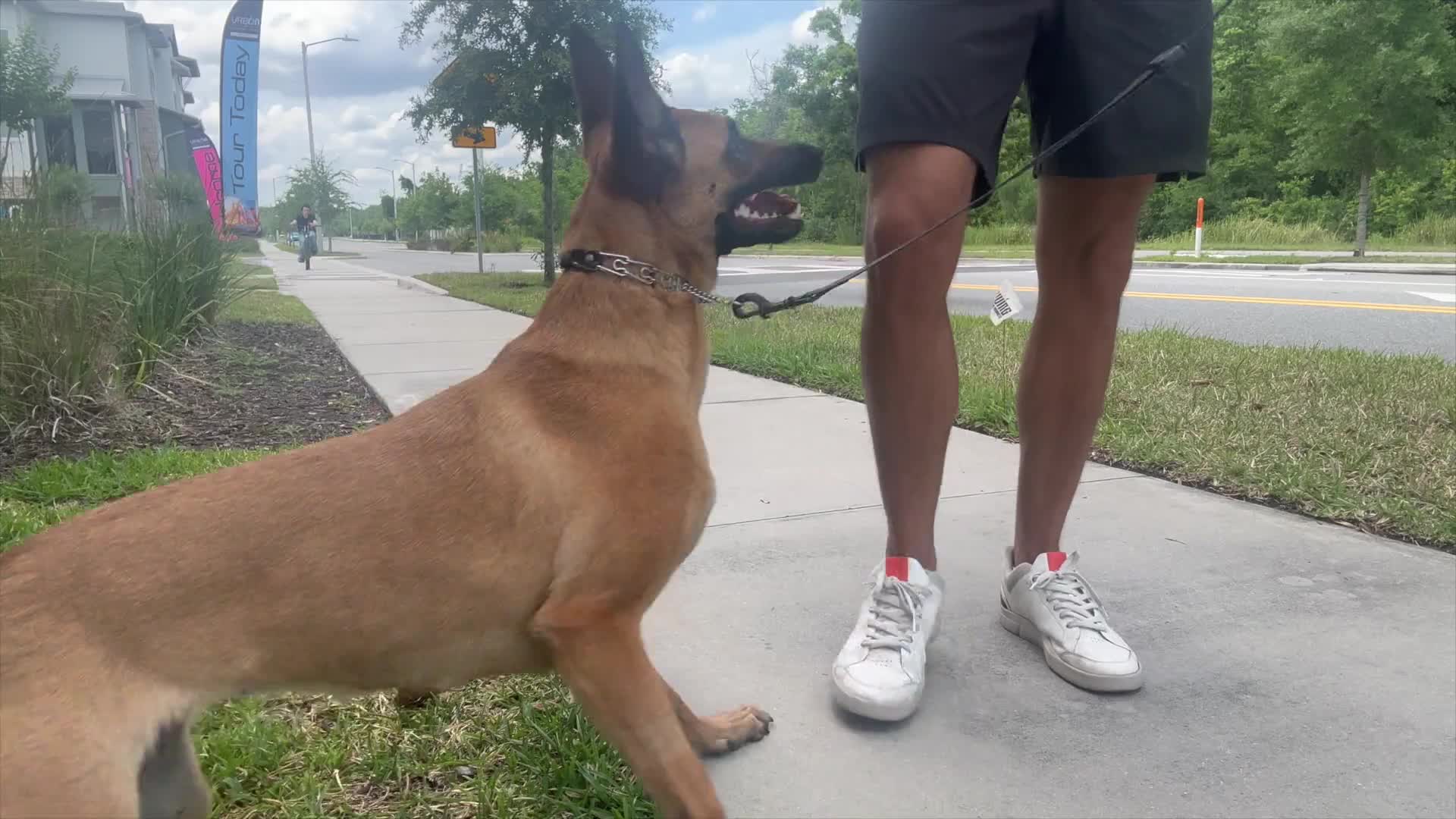
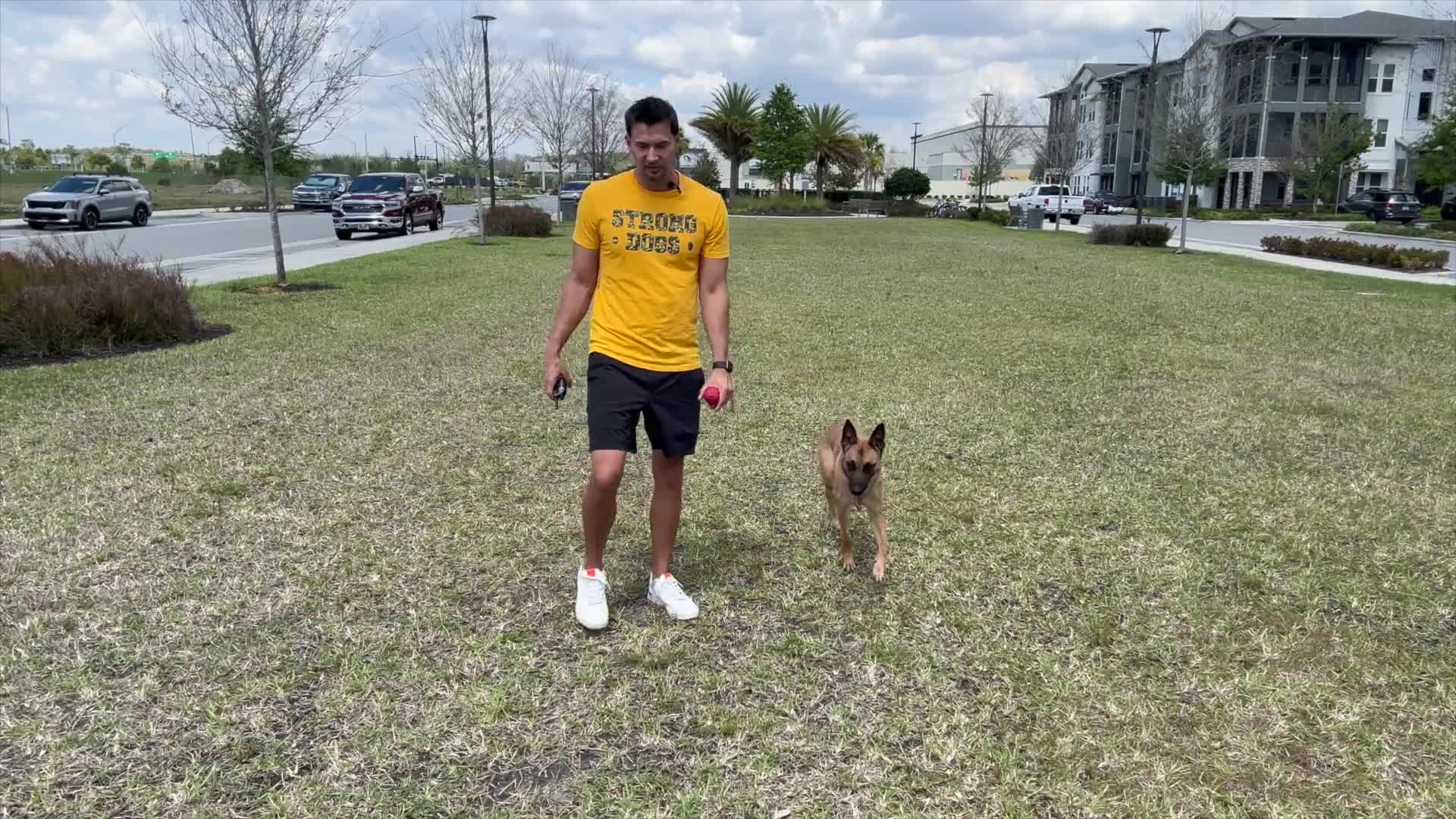
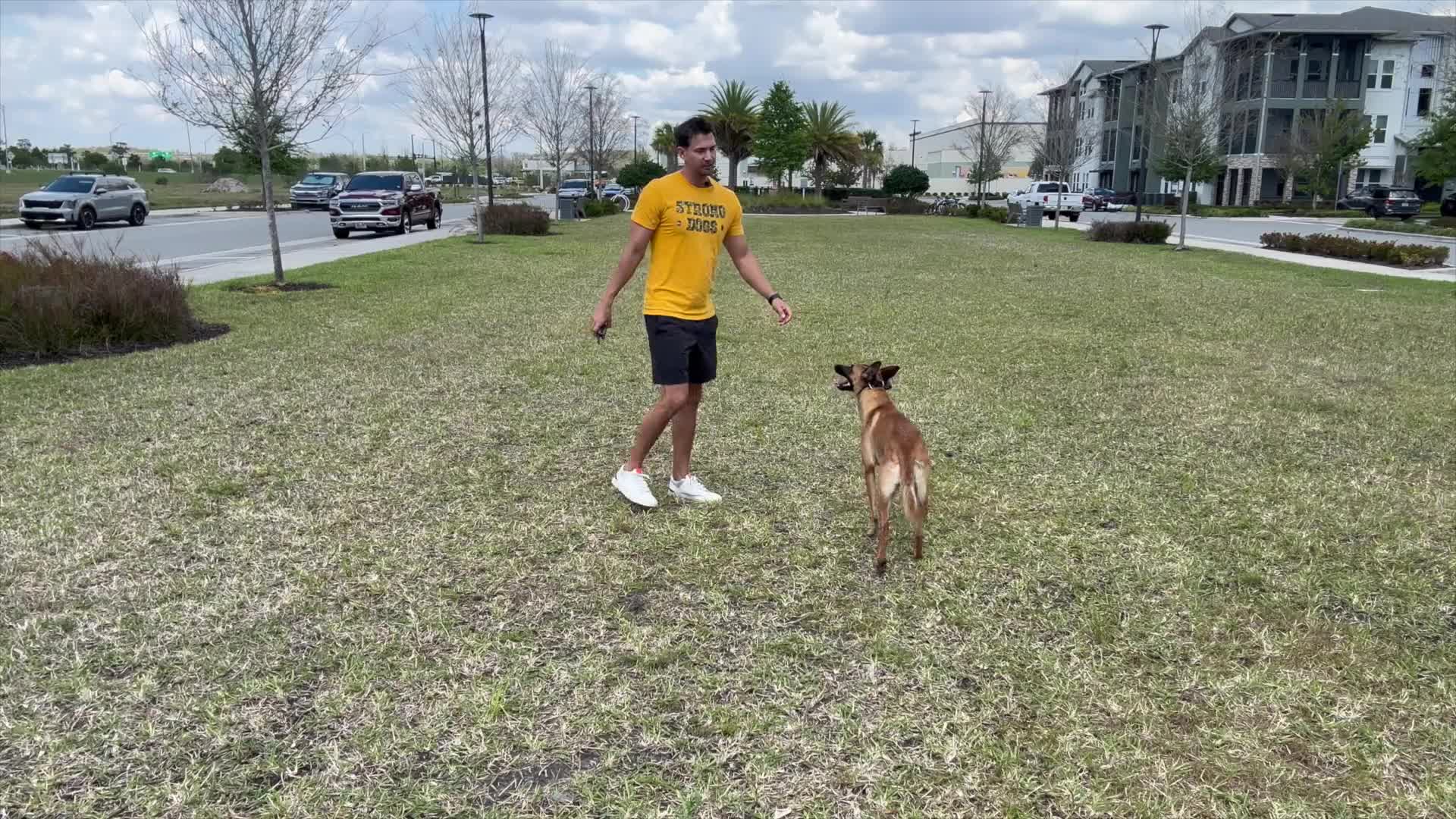
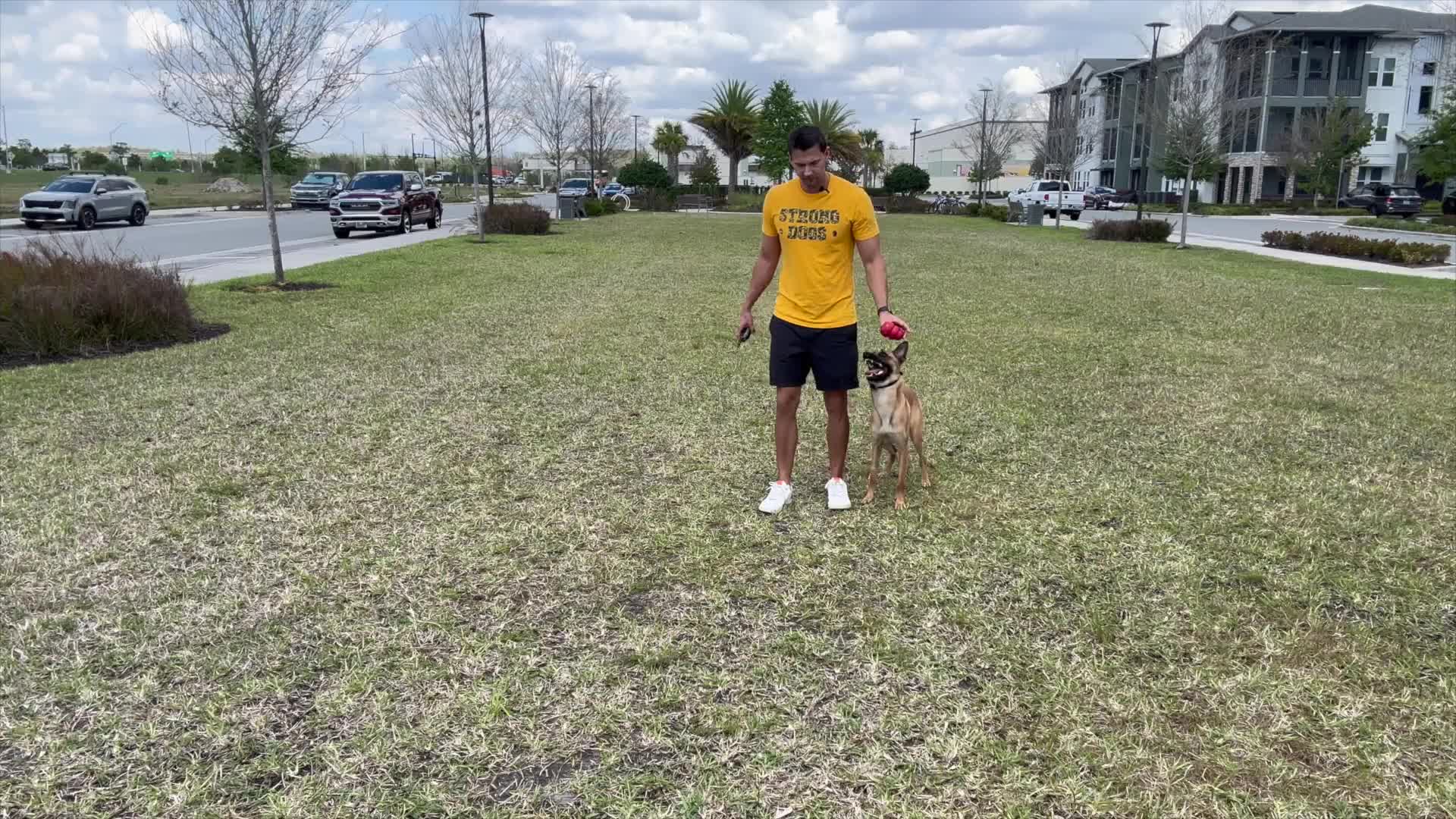
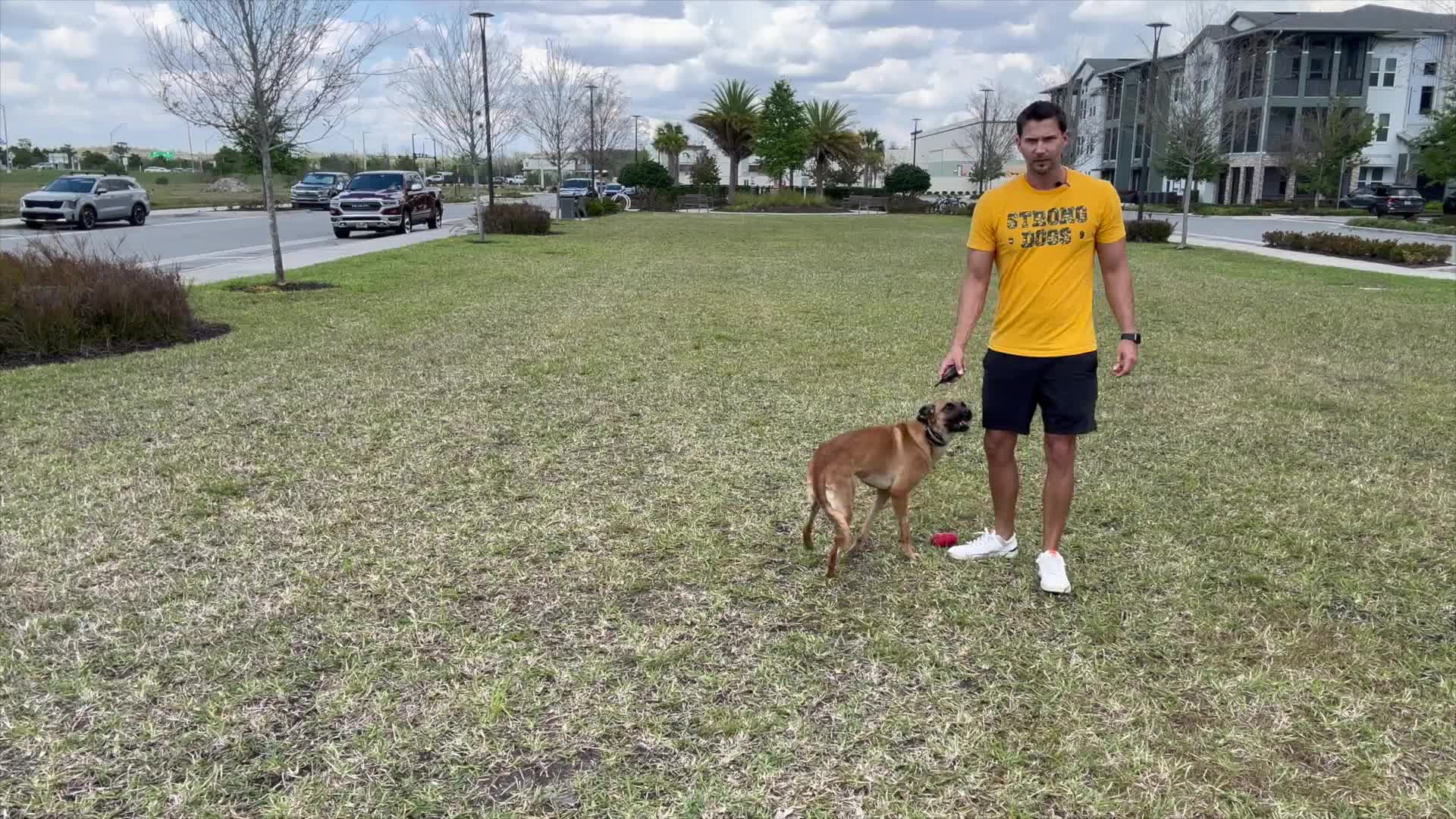
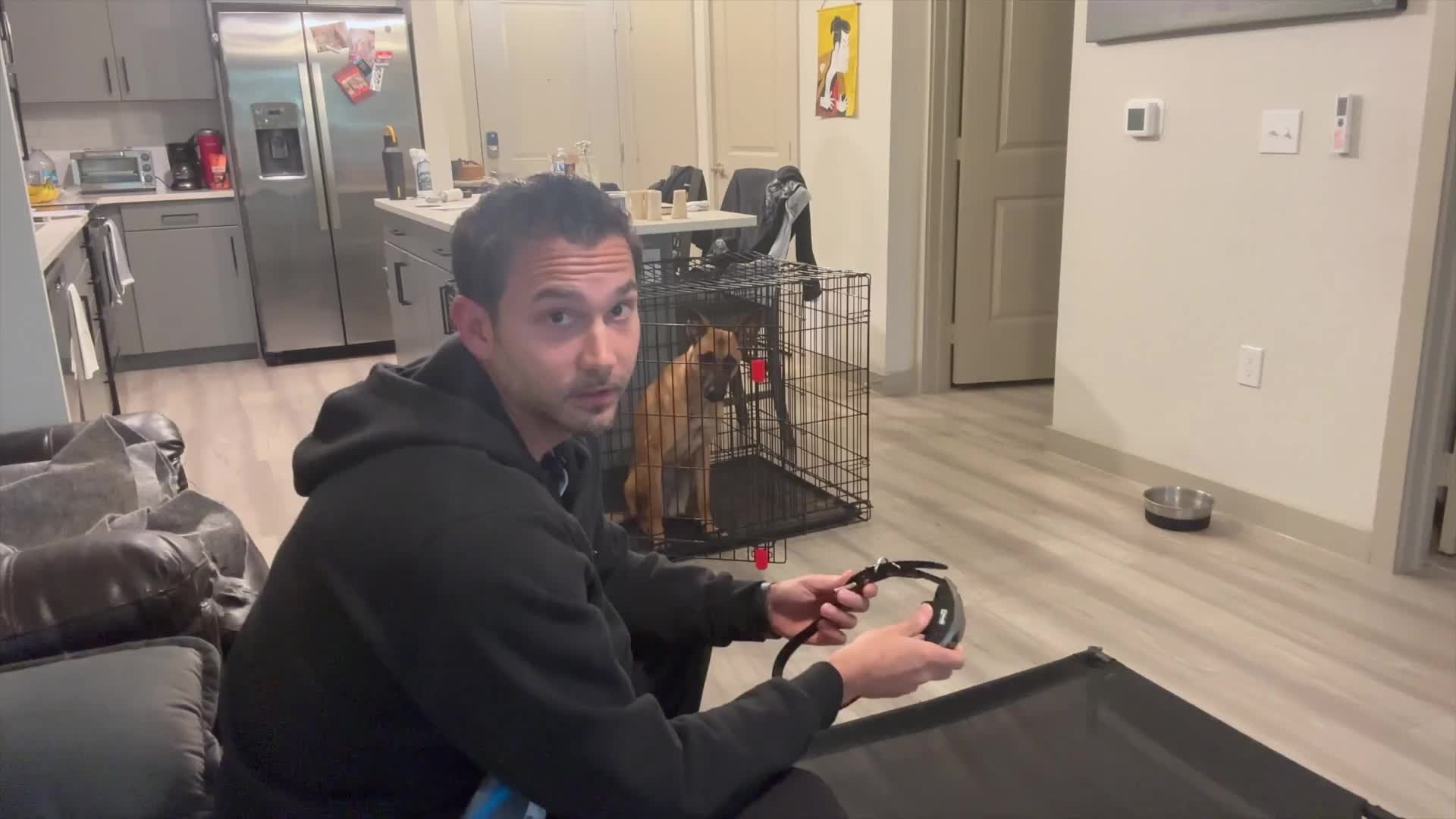
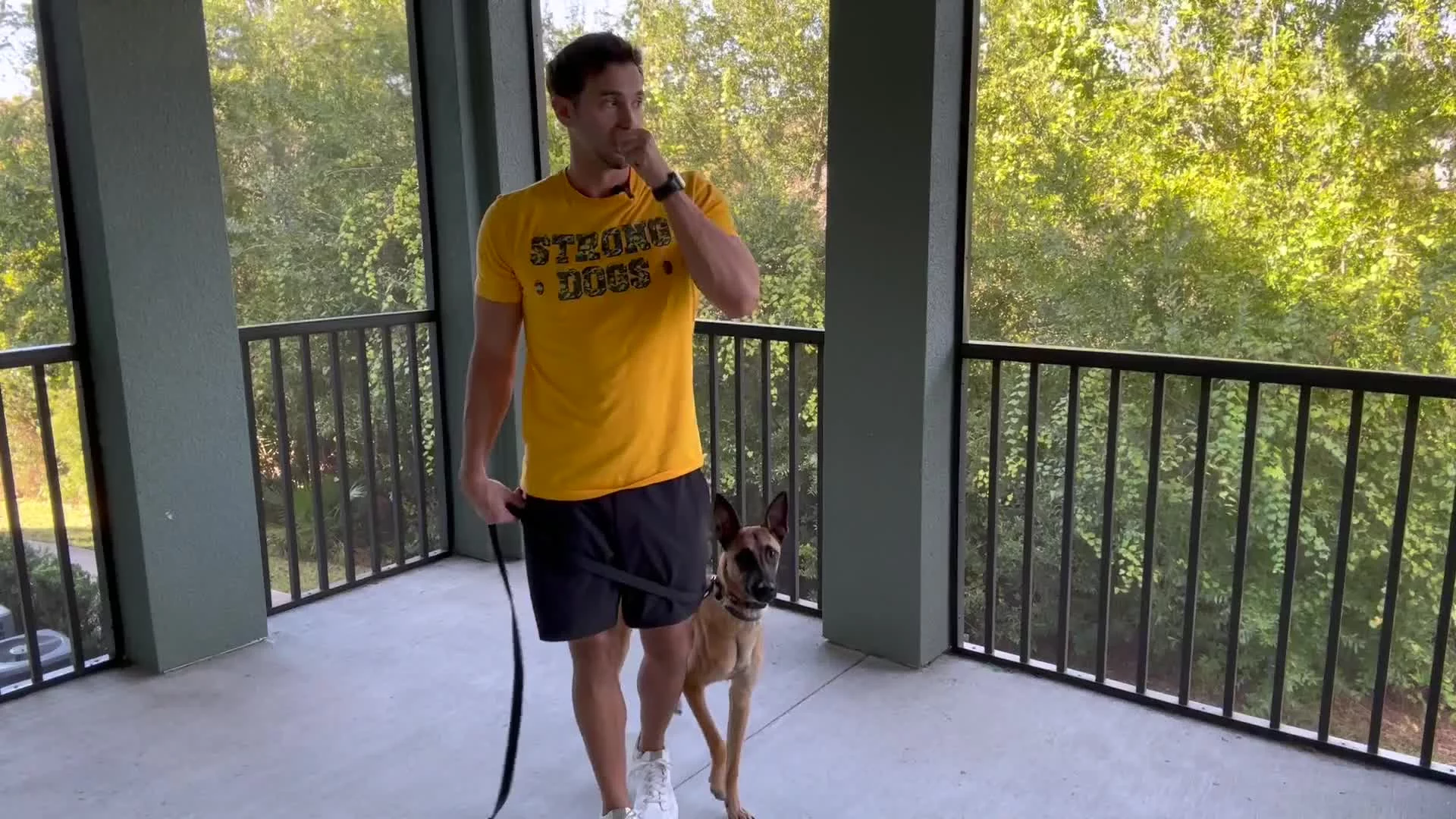
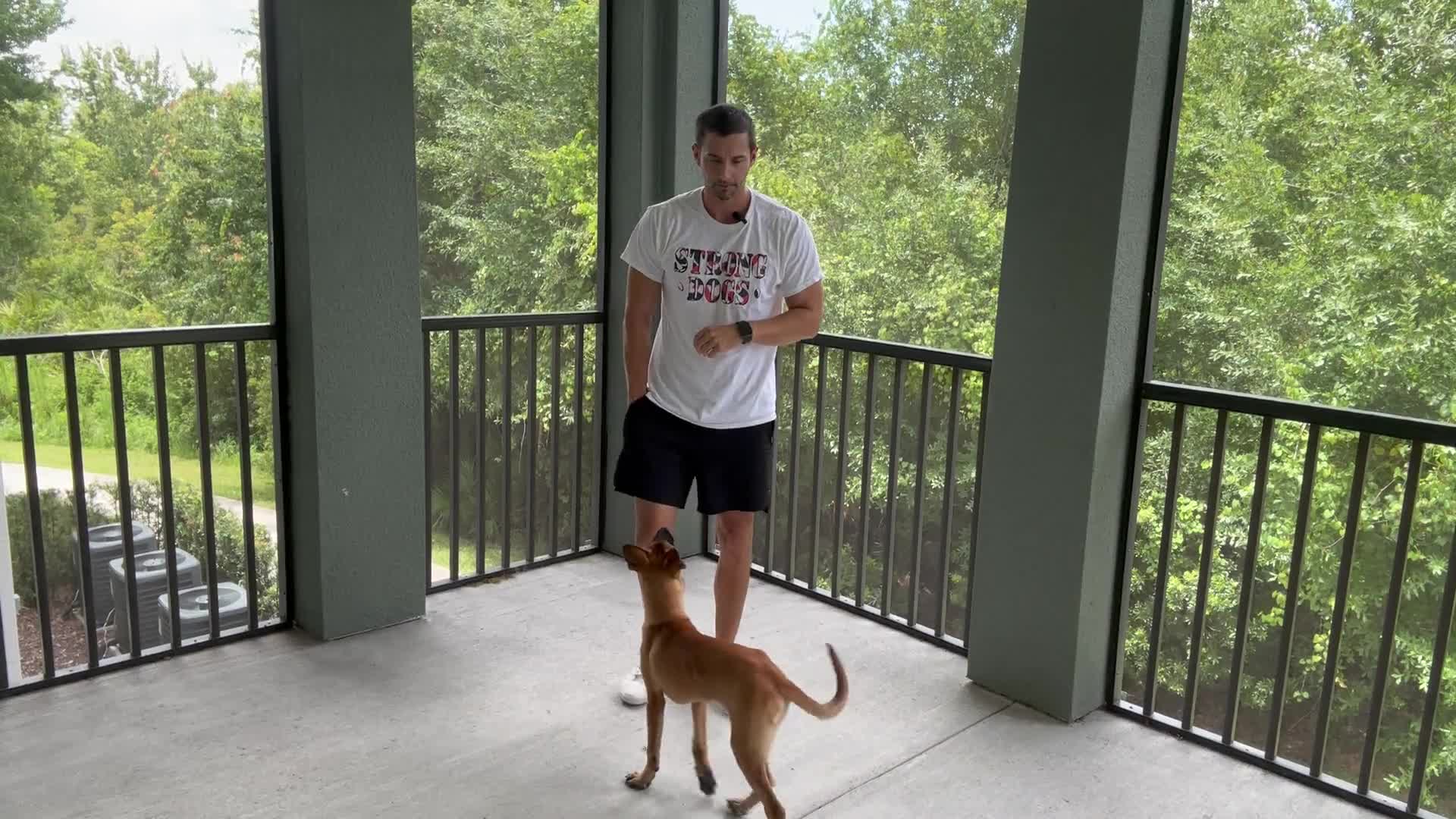
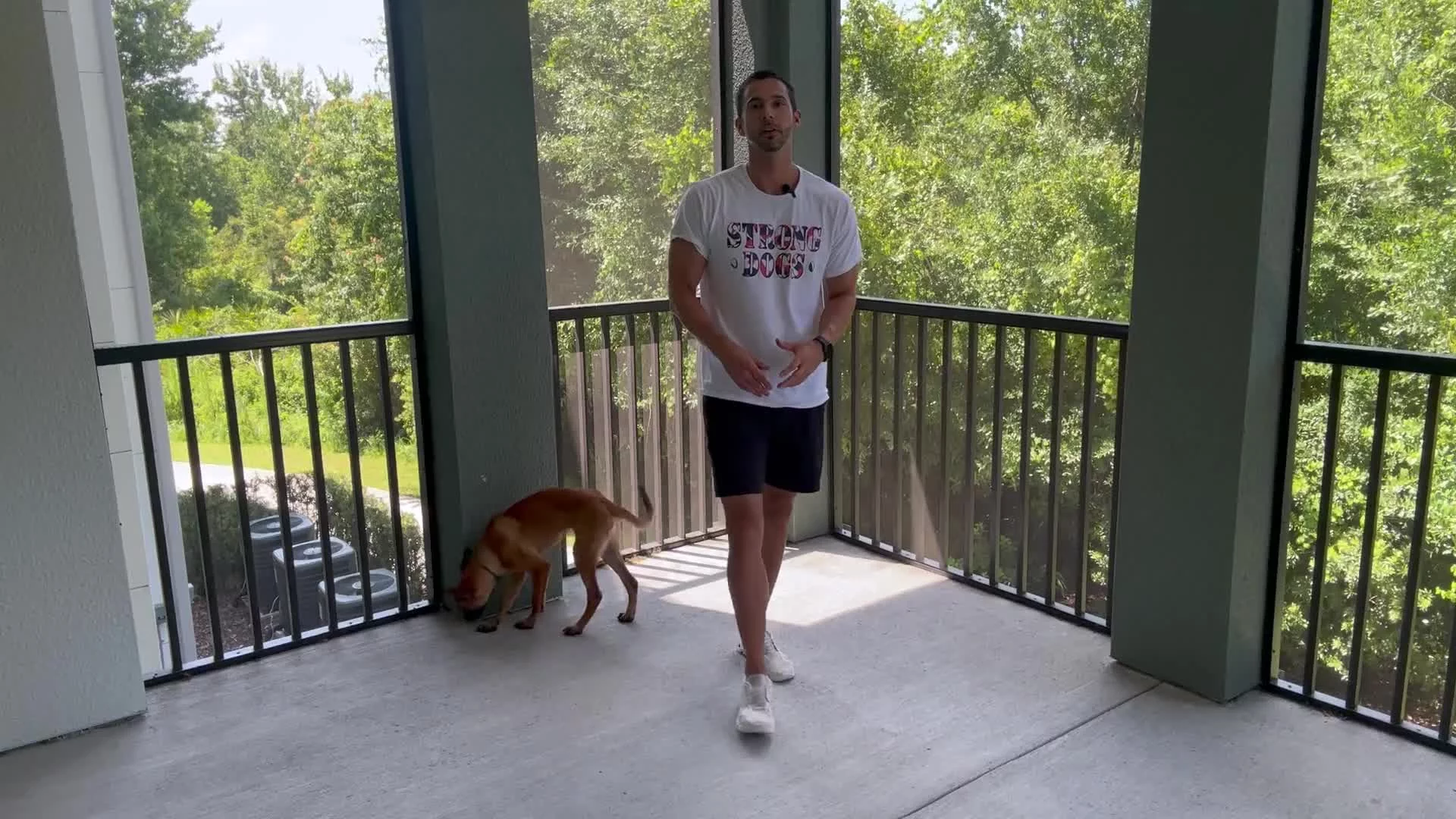
  • Focus Heel (E-Collar)

    Description:
    This video introduces how to use the e-collar to reinforce focus and engagement in the heel position. We break down timing and communication to create a clear, attentive working dog.

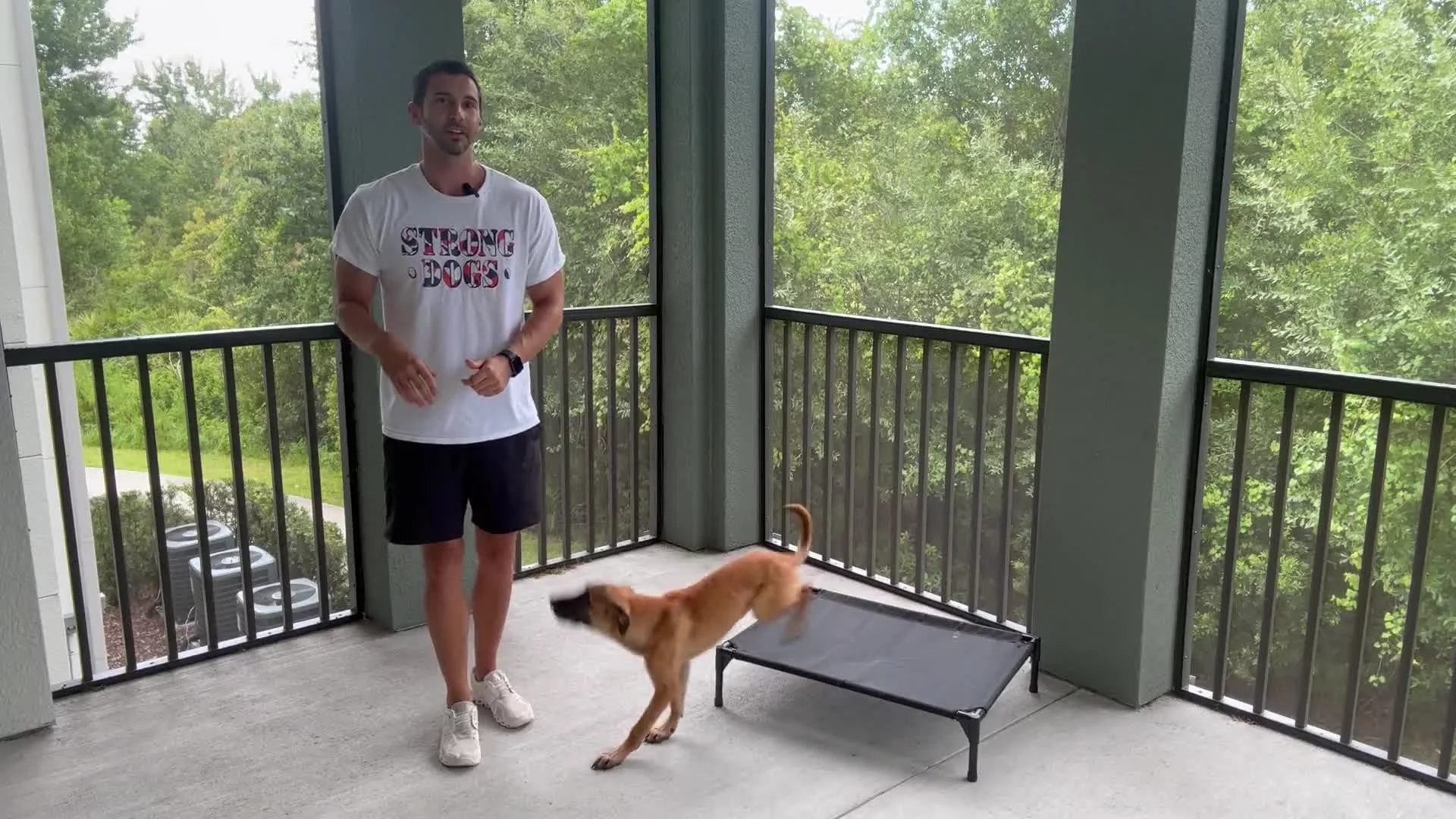
  • Focus Heel Duration (E-Collar)

    Description:
    Take your focus heel to the next level by increasing duration. This lesson emphasizes sustained attention, consistency, and proper timing with the e-collar.

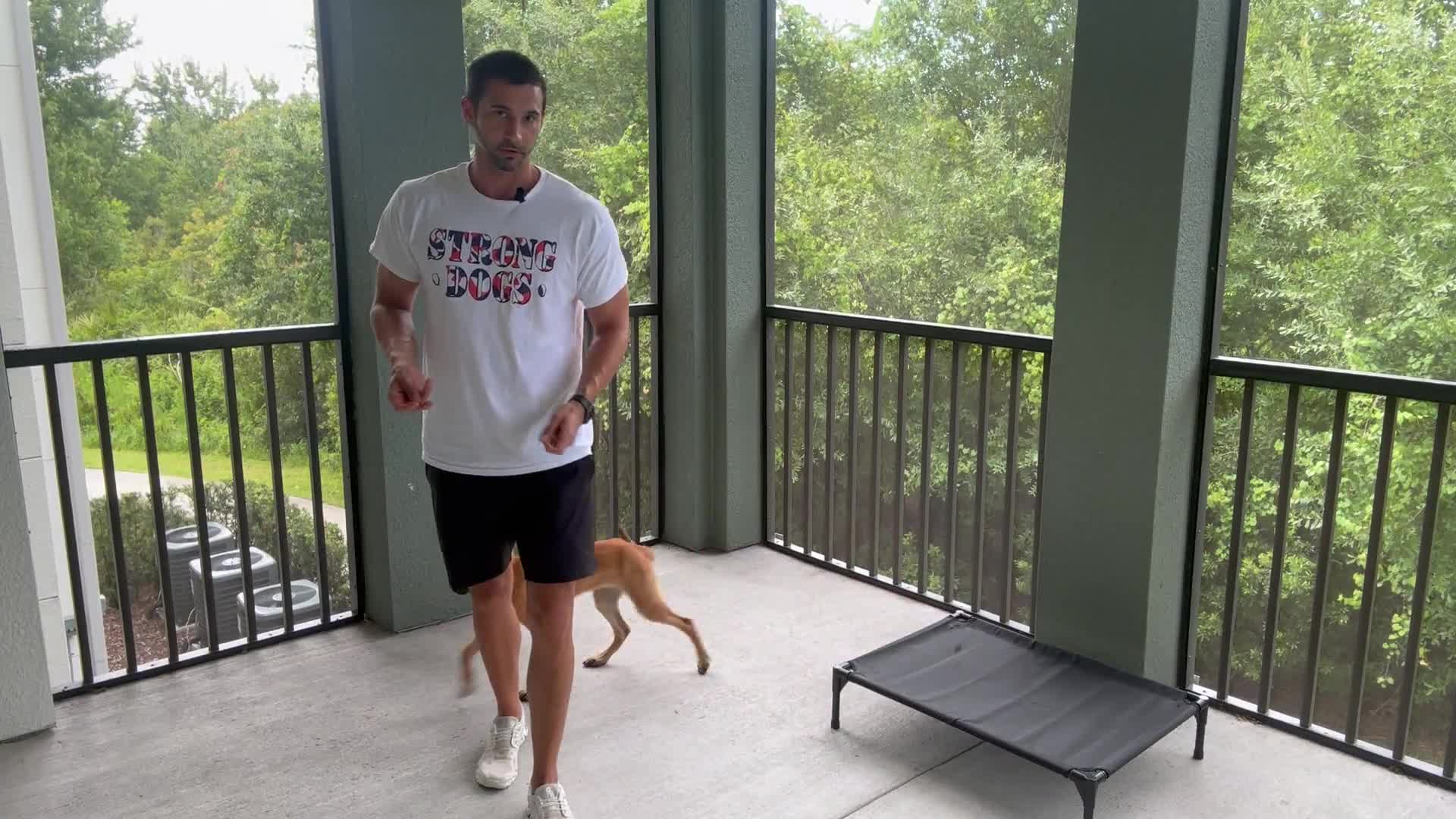
  • Right Side Duration Focus Heel (E-Collar)

    Description:
    This video builds duration and stability in the right-side heel position. We focus on maintaining engagement over time while reinforcing correct positioning with the e-collar.

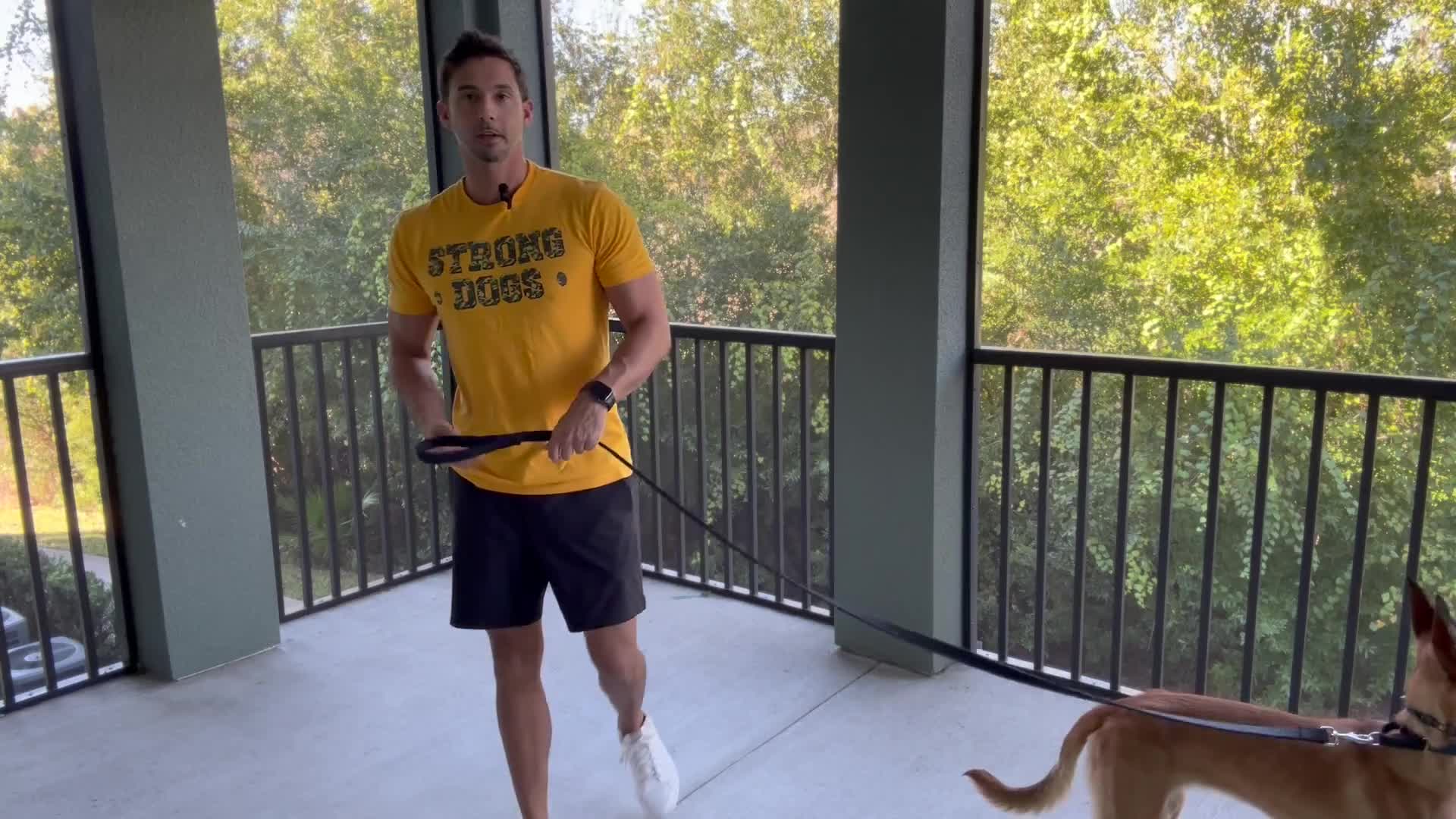
  • Heeling with E-Collar

    Description:
    Learn how to properly layer the e-collar into your heeling work. This video covers timing, pressure, and maintaining focus while moving, creating a more reliable and consistent heel.

  • Right Heeling (E-Collar)

    Description:
    This lesson focuses on teaching and reinforcing heel position on the right side using the e-collar. We build consistency in positioning while maintaining engagement and clarity.

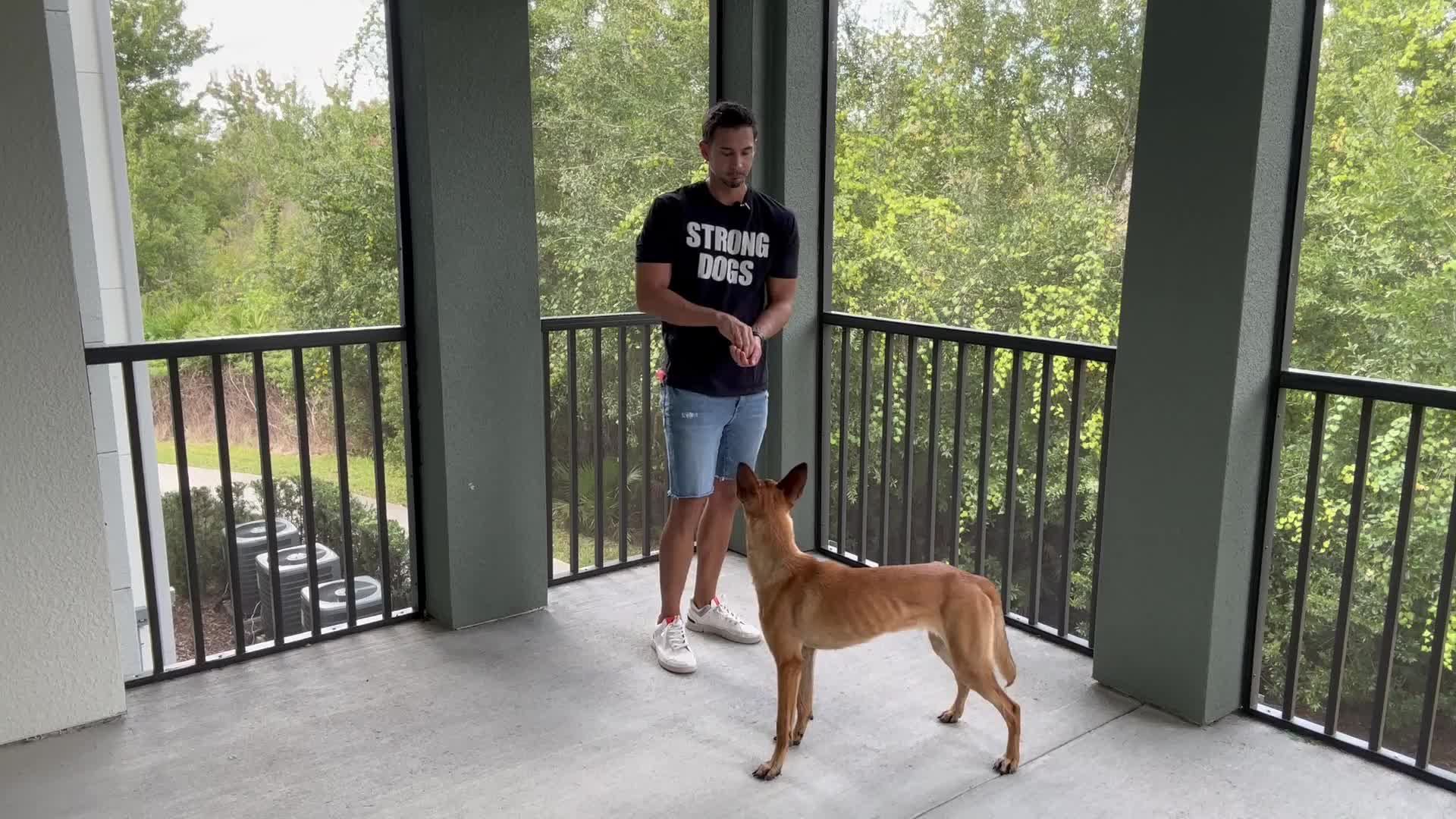
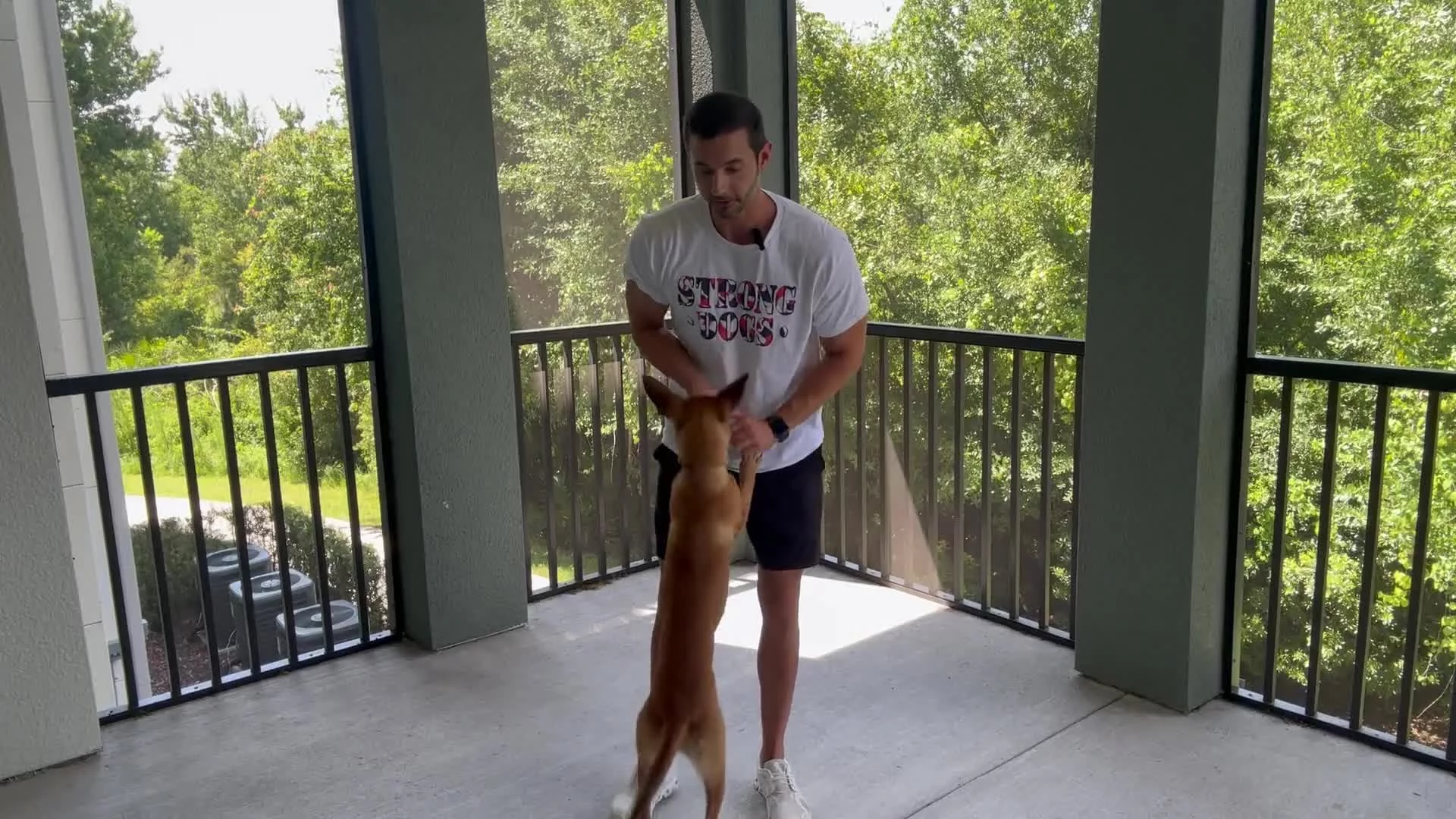
  • Luring Positions with E-Collar

    Description:
    In this video, we introduce how to pair the e-collar with luring to guide your dog into correct positions. This builds clarity and helps the dog understand how pressure and movement work together without confusion.

  • • 3/9/26

    Heeling Pull Away with Leash

    This drill builds commitment to heel by teaching your dog to stay with you even when pressure pulls them away. The leash becomes a communication tool that encourages the dog to choose position and stay engaged with the handler.

  • • 3/9/26

    Heeling Push Away

    Push away heeling teaches your dog to maintain position even when you move into their space. This exercise helps fix the dog from straying away and staying engaged by you.

  • • 3/9/26

    Intro to Down in Motion

    Down in motion teaches your dog to drop into a down while moving beside you. This is a powerful control exercise that improves obedience, impulse control, and responsiveness. We break the exercise down so your dog clearly understands the expectation.

  • • 3/9/26

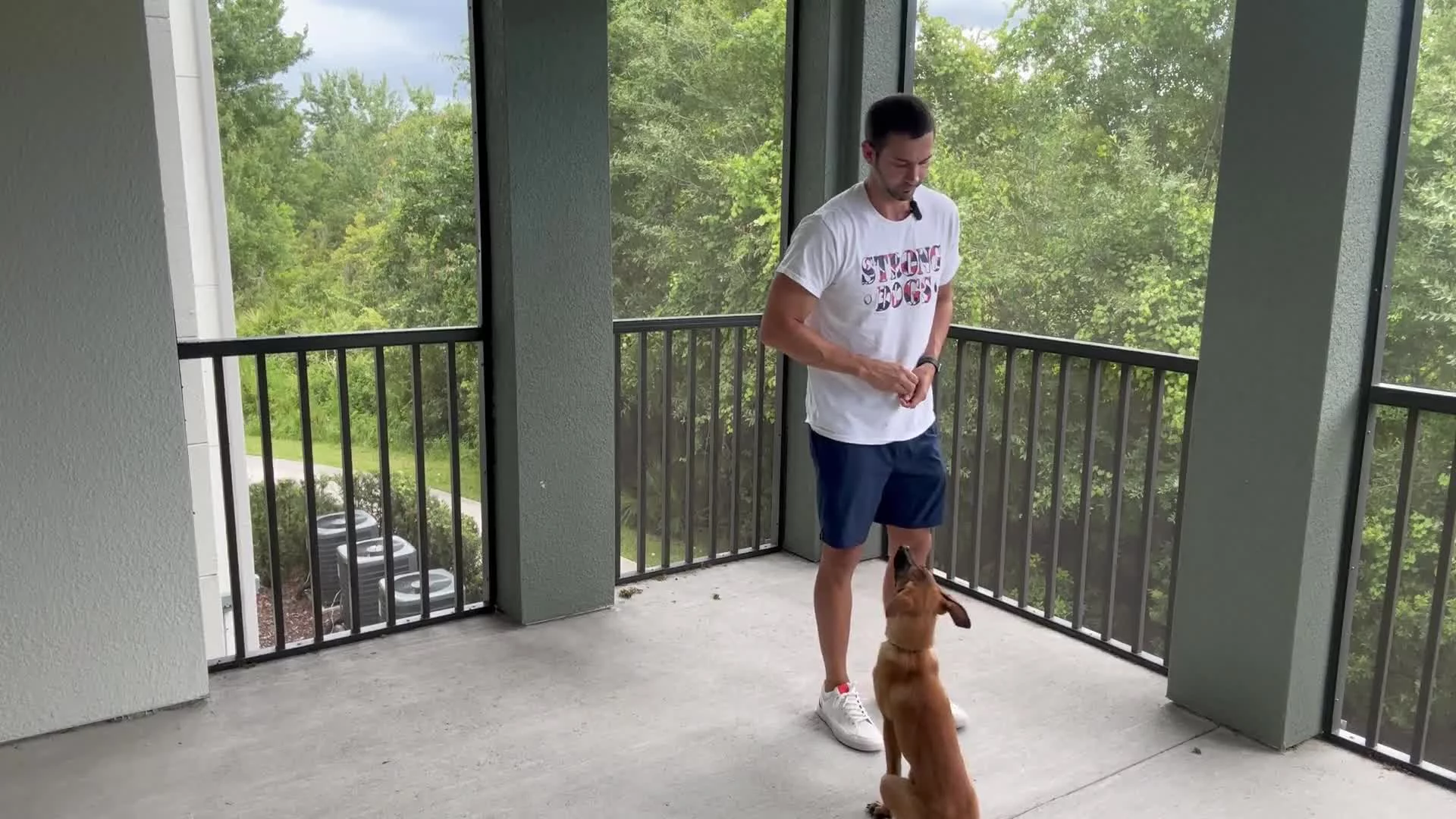
    Intro to Sit in Motion

    This video introduces the sit in motion exercise. Your dog will learn to move with you and immediately sit when commanded without losing focus. This builds responsiveness and impulse control while strengthening your communication during movement.

  • • 3/9/26

    Focus Heel Troubleshooting

    Focus heeling is about engagement and precision. If your dog drifts, forges ahead, or loses focus, this video will help you identify the problem and correct it. We cover common mistakes handlers make and how to rebuild a clean, focused heel position step by step.

  • • 3/9/26

    Don’t Repeat Commands

    One of the most common mistakes dog owners make is repeating commands. In this video we break down why repeating commands weakens obedience and how to structure training so your dog responds the first time. You’ll learn how to give clear commands, reinforce them properly, and eliminate the habit of “nagging” your dog.

  • 3/9/26

    Sit / Down in Motion

    This drill teaches your dog to stop movement instantly and hold position while you continue walking. Sit and down in motion build impulse control, focus, and obedience under movement. These skills translate directly into better off-leash reliability and overall control.

  • • 3/9/26

    Solidifying Recall With E-Collar

    In this video we take recall to the next level using the e-collar as a communication tool. The goal isn’t punishment — it’s clarity. You’ll learn how to reinforce the recall command so your dog understands that coming back to you isn’t optional, even in high distraction environments. This session focuses on timing, pressure, and rewarding the correct choice so recall becomes reliable anywhere.

  • • 1/28/26

    E-Collar for Recall

    (Distance, Reliability, Accountability)

    This video shows how to use the e-collar to build a reliable recall, even at distance. The focus is on clarity, timing, and fairness — not punishment. We reinforce the dog’s understanding while maintaining drive and confidence.

    A properly trained recall is freedom earned, not forced.

  • • 1/28/26

    Using the E-Collar for the First Time

    Here we apply the e-collar in real training for the first time. You’ll see how to layer stimulation properly, when not to use it, and how to read your dog’s response in real time.

    Mistakes are discussed openly so you know what to avoid and how to adjust if something doesn’t go as planned.

  • • 1/28/26

    E-Collar Association – Part 2

    (Consistency & Proofing)

    In Part 2, we build on the initial association by increasing consistency, duration, and clarity. This video addresses common mistakes handlers make at this stage and shows how to reinforce understanding without escalating stimulation.

    This step is about confidence — for both dog and handler.

  • • 1/28/26

    E-Collar Association

    (Clear Communication, Low Pressure)

    This session focuses on building a positive association between low-level stimulation and known behaviors. We pair the e-collar with clarity, timing, and rewards so the dog understands how to turn pressure off — without confusion or stress.

    This is where the e-collar becomes a communication tool, not a correction.

  • • 1/28/26

    E-Collar Introduction

    (Building Neutrality & Comfort)

    In this video, we introduce the e-collar in a calm, neutral way with zero stimulation. The goal is simple: the dog learns the collar means nothing negative and becomes just another piece of equipment. Rushing this step creates long-term problems, so we slow it down and do it right.

    This foundation is critical before any association or training begins.

  • 1/23/26

    Heeling with Distractions

    Video Description

    Heeling with distractions is about maintaining engagement and position while environmental pressure increases.

    In this lesson, we use a toy as a controlled distraction during a walk to test clarity, impulse control, and focus without creating conflict. You’ll see how to introduce the distraction, read when the dog is starting to leak focus, and reinforce the correct choice before frustration sets in.

  • 1/23/26

    Send Out with Jump

    Video Description

    The send out with jump is an advanced behavior that combines distance, direction, and commitment while the dog works independently away from the handler.

    In this lesson, we break down how to layer the jump into an established send out without sacrificing clarity or drive. You’ll see how to build understanding step by step, when to simplify if things start to fall apart, and how to maintain confidence as complexity increases.

  • • 11/4/25

    Collar Placement

    Collar placement makes a world of difference. In this video, I show you where and how the collar should sit for proper communication and effectiveness — and why small adjustments matter.

  • • 11/4/25

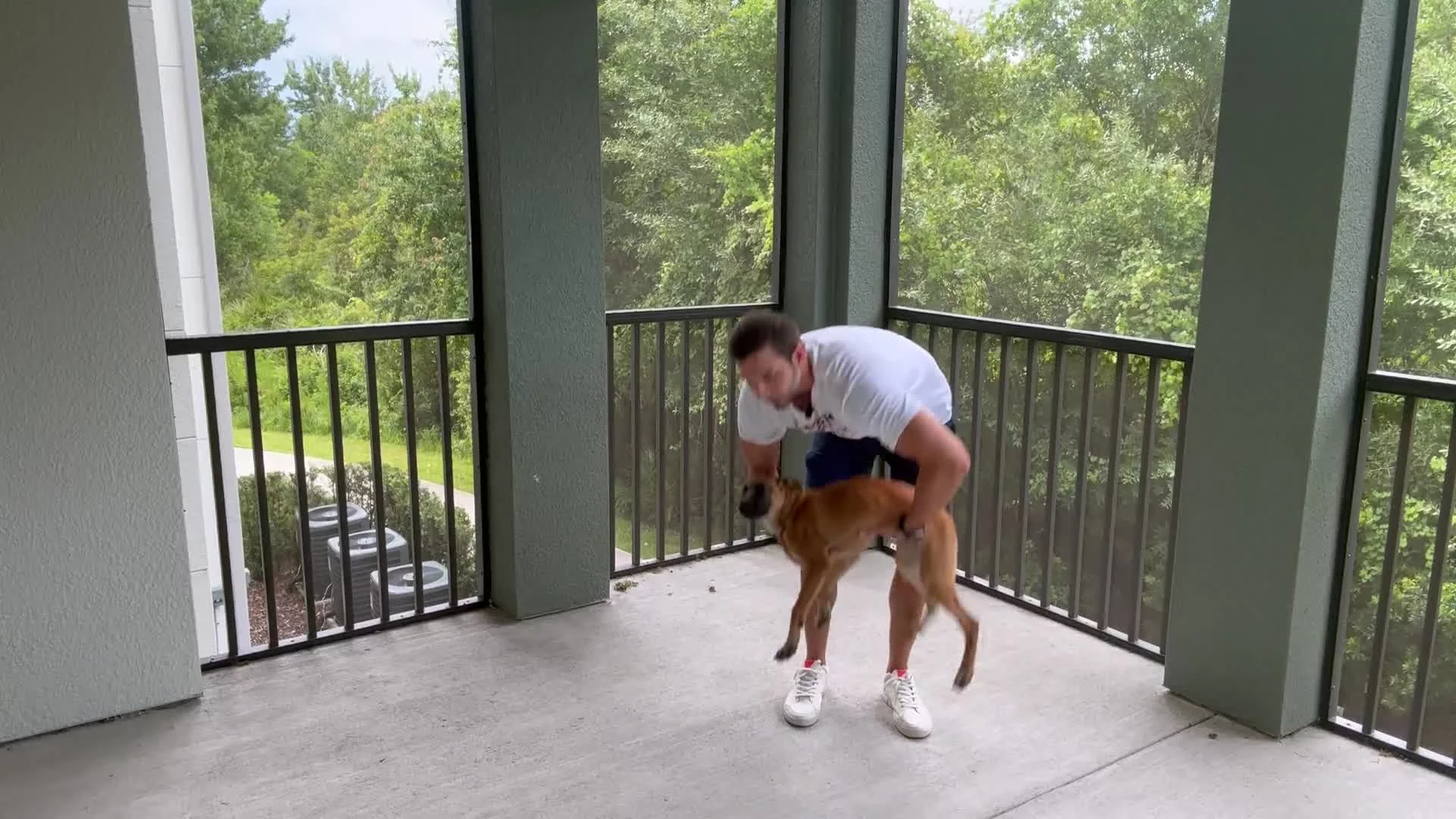
    Putting the Collar On Your Dog

    Something simple, but often overlooked. Learn the right way to put the collar on your dog — calmly, confidently, and with structure. How you start matters.

  • • 11/4/25

    Leash Pressure Level 2 (Upping Drive)

    Taking leash pressure to the next level. Learn how to add motivation and drive while keeping clarity, engagement, and control. Perfect for dogs that understand the basics and are ready for more.

  • • 11/4/25

    Leash Pressure

    An introduction to leash pressure — how to teach your dog to yield to it instead of fight it. You’ll see how clear, calm communication through the leash builds trust and understanding.

  • • 11/4/25

    Incorporating Heeling into Training

    Now we start blending heeling into real sessions. Learn when and how to add it naturally into your walks and obedience work so it becomes part of your dog’s rhythm — not just a command.

  • • 11/4/25

    Shaping Heeling Positions

    We start introducing and shaping the heel position — focus, alignment, and consistency. You’ll see how to break it down step-by-step so your dog learns to love finding that position next to you.
  • • 11/4/25

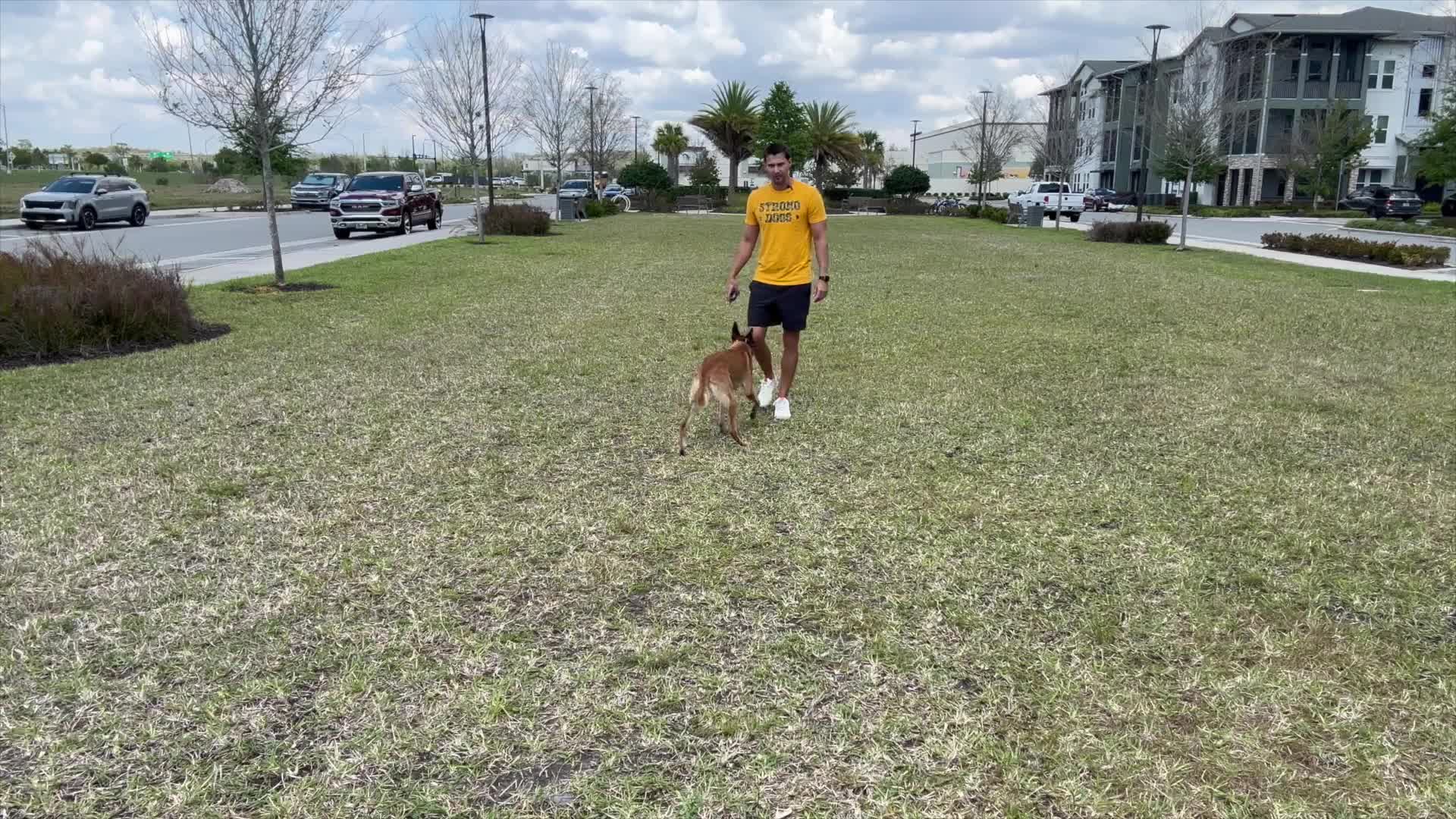
    Intro to Loose Leash Walking

    Learn the foundation of a proper loose leash walk. This is where communication starts — understanding leash tension, position, and clarity.
  • • 11/4/25

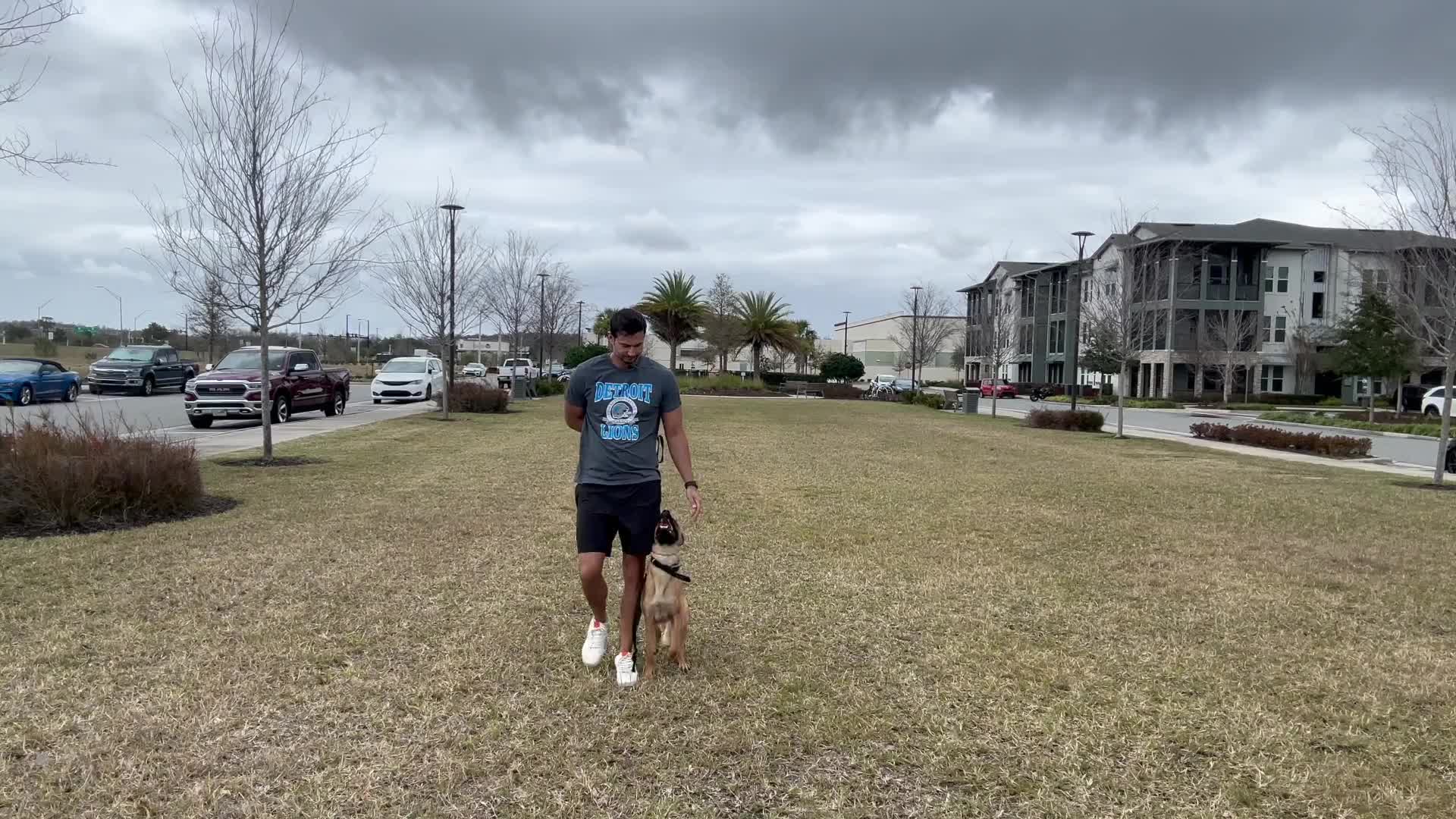
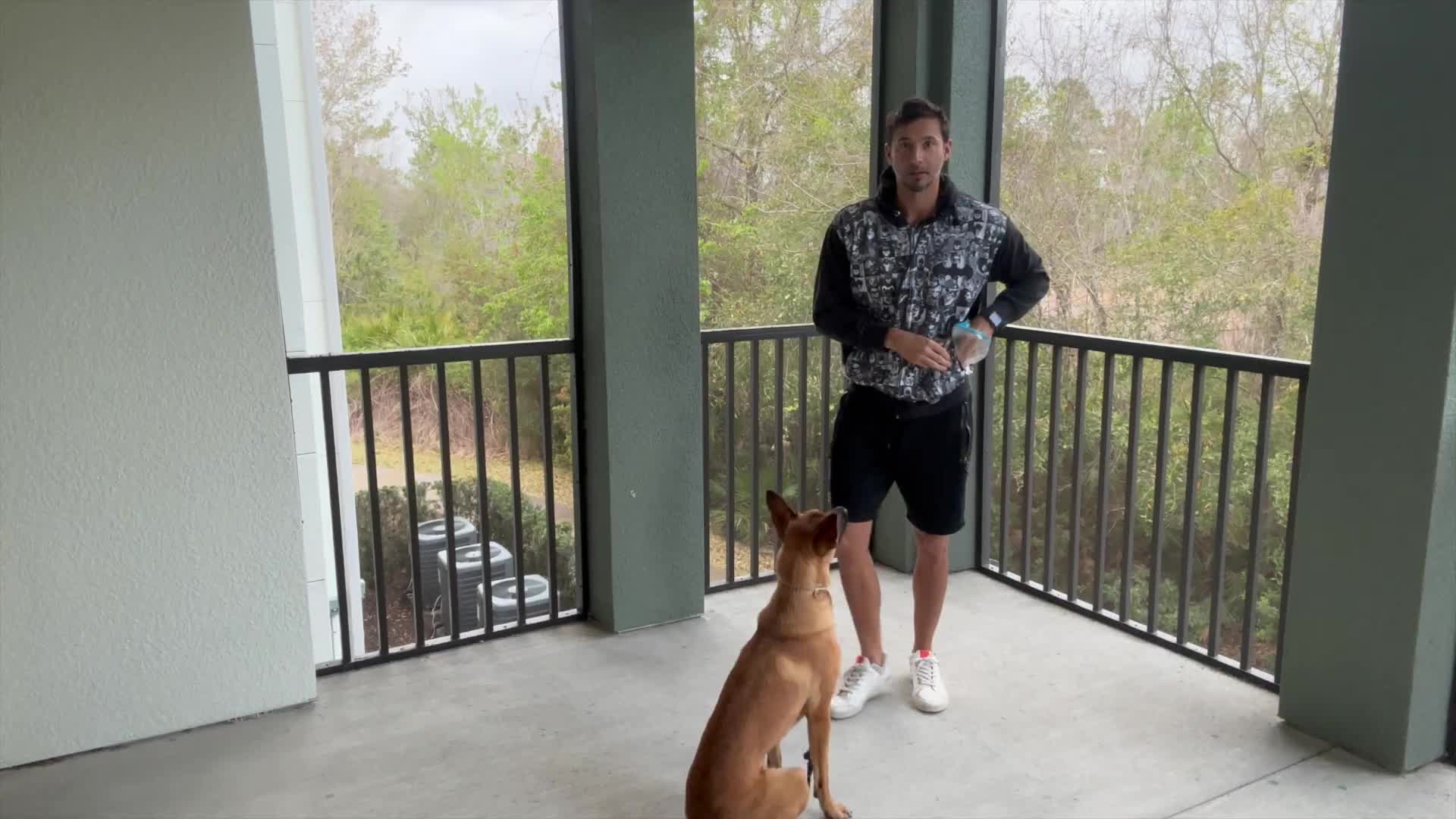
    My Normal Walks with Arya

    A look into what my everyday walks with Arya actually look like — calm, structured, and connected. This isn’t about perfection; it’s about relationship. You’ll see how routine walks set the tone for all training that follows.

  • 11/4/25

    Putting the Collar On Your Dog

    Something simple, but often overlooked. Learn the right way to put the collar on your dog — calmly, confidently, and with structure. How you start matters.

  • • 10/21/25

    Train Your Dog Like You Live Unedited

    This lesson is about bringing training into your real, everyday life — not just during “training sessions.” I’ll show you how to use normal moments around the house or on walks to build habits, engagement, and structure that last. The goal is to create a lifestyle of training where your dog learns to listen and focus naturally, no matter where you are.

  • • 10/6/25

    Focus Heel-Fading Lures

    In this lesson, we start transitioning from food lures to verbal and visual cues. You’ll learn how to keep your dog’s focus without relying on treats every step of the way. This builds true understanding and engagement in the heel position.

  • • 10/6/25

    Focus Heel-Head and Feet Position

    Precision matters. In this video, we fine-tune your dog’s head alignment and foot position in the heel. You’ll learn how to shape clean, consistent movement that keeps your dog engaged and balanced at your side.

  • • 10/6/25

    Focus Heel -The Six Variations

    The heel isn’t just one pattern — it’s a series of variations that build control, attention, and precision. We’ll go through six heel variations that develop better communication and handler awareness.

  • • 10/6/25

    Focus Heel-Engagement

    Before any great heel, there’s focus. This lesson teaches how to build and maintain engagement — your dog’s willingness to check in and work with you no matter what’s going on. Engagement is the foundation for everything else.

  • • 9/28/25

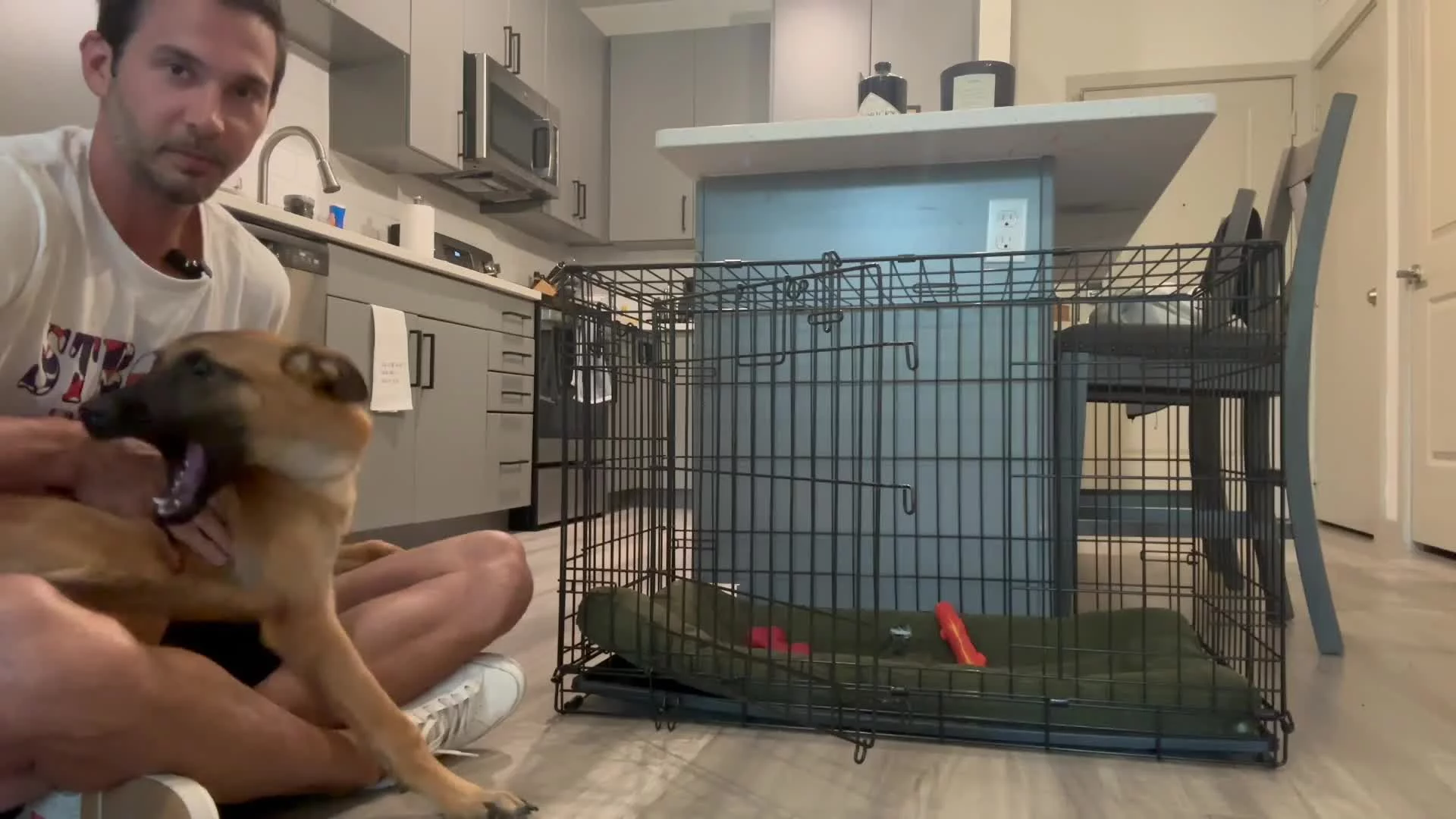
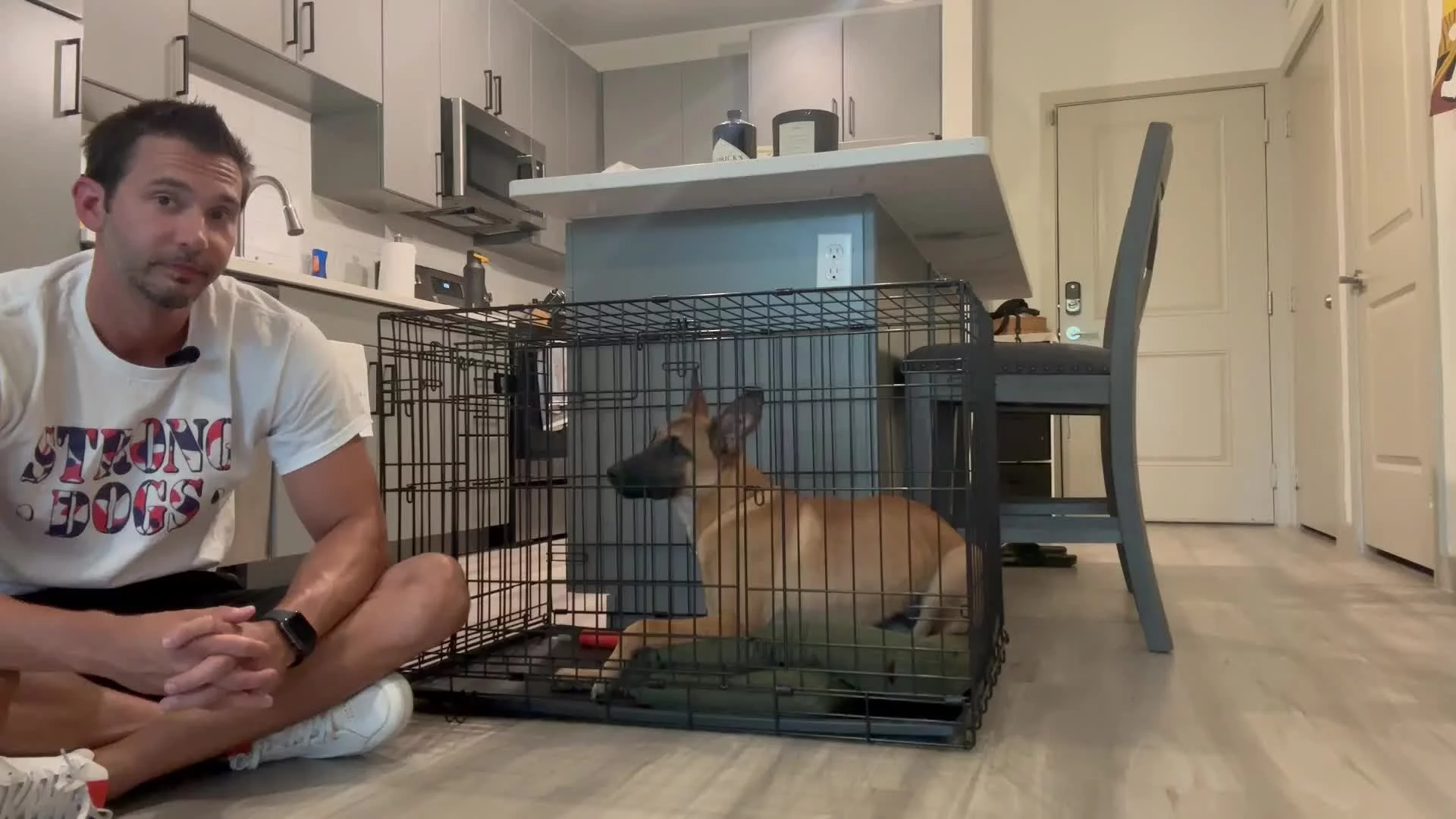
    Crate Training: Crate and Place Game

    This game links the crate with the “place” command to build versatility. Your dog learns to move from crate to place (and back) calmly, reinforcing impulse control, obedience, and focus. It’s a fun way to strengthen structure while keeping training engaging.

  • • 9/28/25

    Crate Training: Exit

    Teaching your puppy how to exit the crate calmly is just as important as getting them inside. This step prevents your dog from rushing out and builds control, patience, and focus.

  • • 9/28/25

    Crate Training: Long Lure

    Now that your puppy is comfortable stepping into the crate, we’ll extend the lure deeper inside so they learn to walk all the way in. This helps your pup gain confidence and creates a smoother transition toward staying inside calmly.

  • • 9/28/25

    Crate Training: Luring In

    In this lesson, we’ll teach your puppy to enter the crate willingly. By using food and calm encouragement, you’ll start to build a positive association so the crate feels safe and rewarding, not forced.

  • • 9/28/25

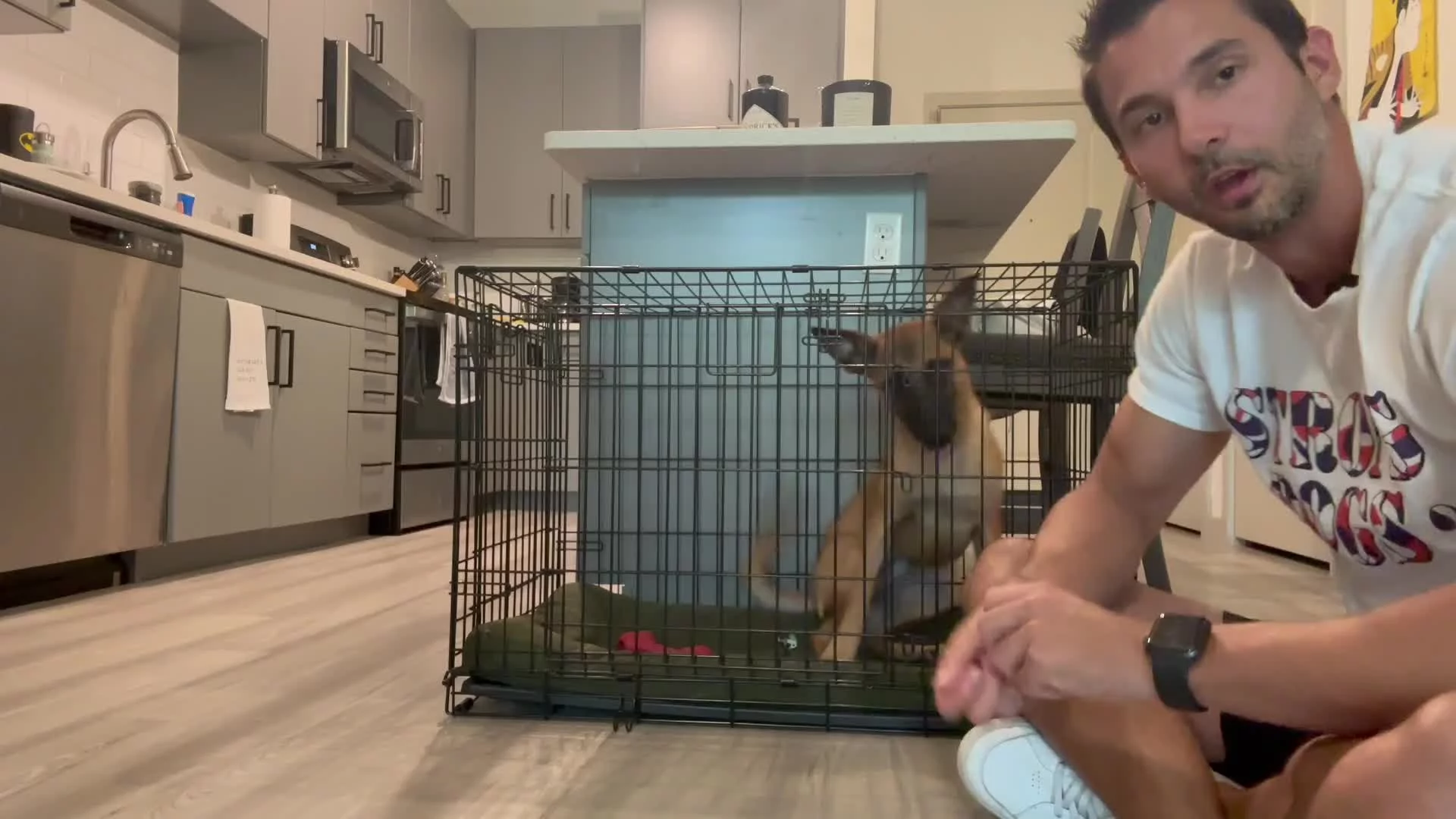
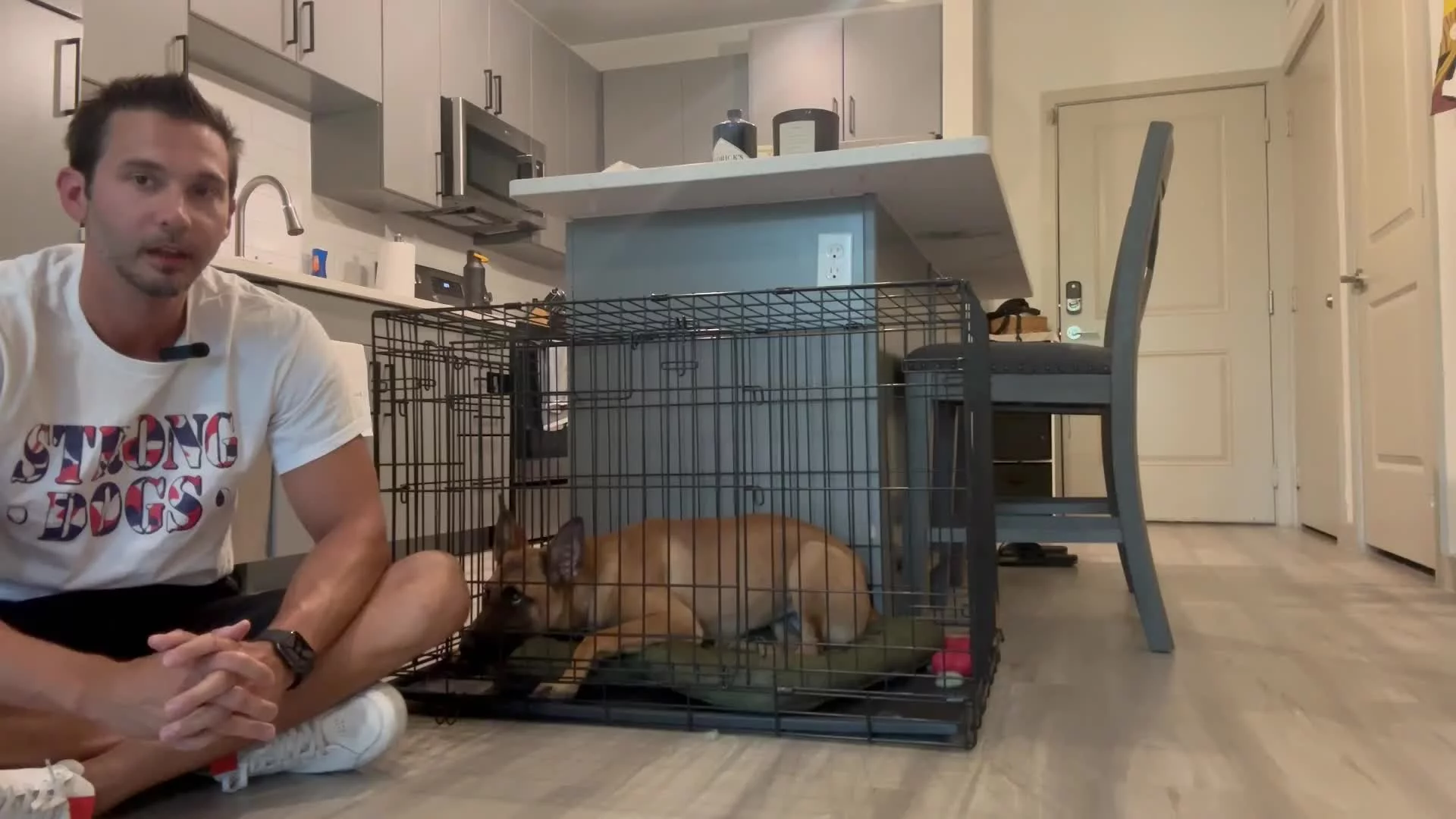
    Crate Training: Size, Toys, and Placement

    In this lesson, we cover the three most important parts of crate setup: choosing the right size, what’s safe to put inside (and what to avoid), and where to place the crate in your home. Getting these basics right will make the training process smoother for both you and your dog.

  • • 9/28/25

    Crate Training: Introduction

    This lesson introduces crate training — why it’s one of the most effective tools for raising a well-behaved dog. You’ll learn the benefits of using a crate for structure, safety, and calmness, plus what to expect as you begin the process.

  • • 9/28/25

    Engagement

    Building Engagement: The Key to Better Training

  • • 9/28/25

    Focus Heel

    The Focused Heel: Engagement in Motion

  • • 9/28/25

    Crawling

    Teaching the Crawl: Control Through Movement

  • • 9/28/25

    Duration

    Building Duration with Calmness

  • • 9/28/25

    Handling

    Comfort with Handling & Touch

  • • 9/28/25

    Heeling Positions

    Foundations of Heeling Positions

  • • 9/28/25

    Heeling

    Intro to Heeling & Loose Leash Walking

  • • 9/28/25

    Leave It

    Teaching “Leave It” for Safety & Control

  • • 10/29/21

    Sit / Down / Stand

    Mastering Sit, Down & Stand

  • • 9/28/25

    Recall

    Building a Reliable Recall

  • • 9/28/25

    Place

    Teaching “Place” for Calm & Control

  • • 9/28/25

    Marker Words

    Using Marker Words to Communicate Clearly

Your instructor
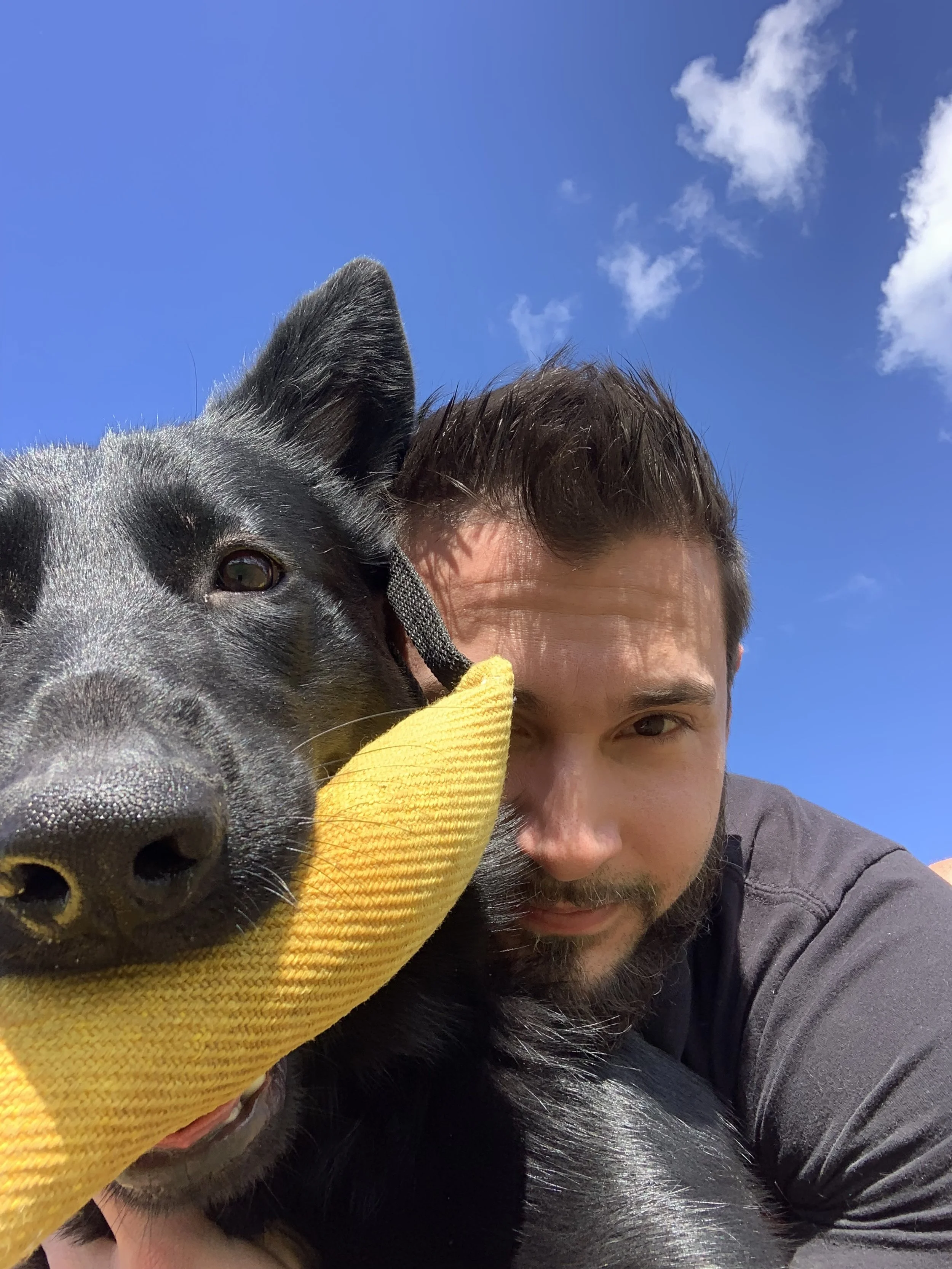
A man and a black and white dog are close together outdoors under a blue sky with some clouds. The man is leaning in next to the dog, and the dog is lying with its head resting on a yellow surface.

Steven Jankovic

I didn’t land in dog training by accident. I got here the hard way. I chased golf, writing, management, big numbers, big titles — and learned that building something for someone else will never feel like ownership. I’ve burned out, started over, failed publicly, and bet on the wrong things. What I wanted was something that was mine. Something that demanded discipline. Something that scared me enough to grow. Dog training became that proving ground. It started with my own dogs and turned into a calling — building clarity, control, and real connection between people and their dogs. I’m not here because it was easy. I’m here because I chose the hard path for me.